Let’s be honest, the first sound of the morning shouldn’t be a grinding, gurgling monster that wakes up the entire house. For many of us, that first cup of coffee is a sacred, peaceful ritual. This is where our comprehensive Quiet Coffee Maker Review comes in, designed to help you reclaim your tranquil mornings. I’ve spent years tinkering with, testing, and listening to countless machines, and I’m here to guide you through the hushed world of silent brewing, so you can find a machine that respects your peace and quiet.
Why Does the Noise Level of Your Coffee Maker Even Matter?
You might think a little noise is just part of the coffee-making deal, but for many, it’s a genuine problem. A quiet coffee maker is a game-changer if you’re an early riser with a family of light sleepers, live in a small apartment with thin walls, or simply cherish a moment of calm before the day’s chaos begins. The right machine can transform your routine from a frantic, noisy dash into a mindful, enjoyable experience.
What Makes a Coffee Maker Noisy in the First Place?
Understanding the source of the racket is the first step to avoiding it. Not all coffee makers are created equal in the sound department, and the noise usually comes from one of three culprits.
The Grinder: The Usual Suspect
If you have a “grind and brew” machine, the integrated grinder is almost always the loudest part of the process. Blade grinders, in particular, sound like a small industrial tool. Burr grinders are generally quieter, but they still produce a noticeable whirring sound.
The Water Pump: The Espresso Roar
Espresso machines rely on powerful pumps to force hot water through finely-ground coffee pucks. This process, especially with vibratory pumps found in many home models, can create a loud, sustained buzzing that can be quite jarring in a quiet kitchen.
The Beeps and Alarms: The Digital Nuisance
It’s not just the mechanical parts. Many modern machines love to announce their every move with loud beeps—when they turn on, when the water is hot, and when the brew cycle is complete. While helpful for some, these digital alerts can be an unwelcome intrusion.
The Contenders: A Look at Different Types of Quiet Coffee Makers
Finding the quietest coffee maker often means choosing the right type of machine for your needs. Let’s break down the common options, from the nearly silent to the surprisingly loud.
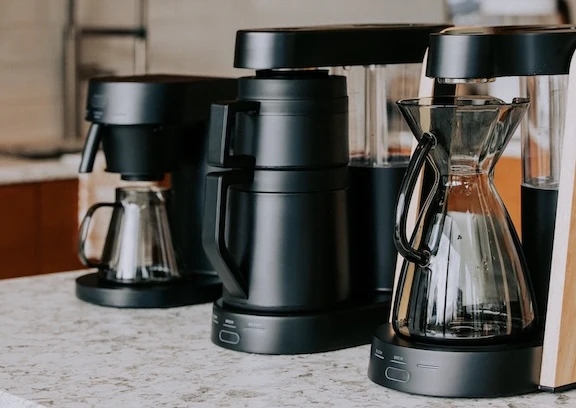
- Drip Coffee Makers: These are often your best bet for a quiet, automated brew. The process is gentle, with the main sound being the soft gurgle of water heating and dripping through the grounds. Look for models with a thermal carafe instead of a glass one on a hot plate; this eliminates the sizzling and burning sound of old coffee. Many machines certified by the Specialty Coffee Association (SCA) focus on brew quality and often have a quieter, more refined operation.
- Single-Serve (Pod) Machines: These are a mixed bag. The brewing process itself is relatively quiet and fast. However, many models have a surprisingly loud pump that primes the system, creating a short but intense burst of noise. They are convenient, but not always the most peaceful option.
- French Press & Pour-Over: If absolute silence is your goal, you can’t beat manual methods. With a French press or a pour-over setup like a Hario V60, the only sounds are the ones you make: the gentle boil of your kettle and the slow pour of water. It’s the most mindful and silent way to brew, though it requires more hands-on effort.
- Espresso Machines: Generally the loudest category, but there’s hope! Machines with rotary pumps (more common in prosumer models) are significantly quieter than those with vibratory pumps. Some super-automatic machines have also made great strides in sound-dampening technology for both their pumps and internal grinders.
“A common misconception is that a quiet machine must be a simple one. But engineering has come a long way. Top-tier drip machines can be whisper-quiet while meeting rigorous brewing standards, proving you don’t have to sacrifice coffee quality for a peaceful kitchen.”
— Clara Bennett, Lead Barista and Coffee Equipment Consultant
Your Ultimate Buying Guide: How to Choose the Perfect Quiet Coffee Maker
Ready to find your silent brewing companion? This isn’t just another quiet coffee maker review; it’s your personal checklist for making a smart decision. Keep these factors in mind.
What should I look for in a quiet coffee maker?
The key is to focus on the technology and build quality. Look for models with specific sound-dampening features, SCA certification (which often correlates with better, quieter pumps), and a separate, high-quality burr grinder instead of an integrated one if you’re sensitive to grinding noise.
1. Decibel (dB) Ratings
Some manufacturers are starting to list decibel ratings for their appliances. While not yet a standard, if you can find this information, it’s a golden ticket. Anything under 55 dB during the brewing cycle is considered very quiet.
2. Grind-Free or High-Quality Grinder
The simplest way to reduce noise is to eliminate the integrated grinder. Opt for a quality standalone [burr grinder that you can use the night before], or buy pre-ground coffee. If you must have a grind-and-brew model, look for one that specifically advertises a quiet grinding mechanism.
3. Pump Technology
For espresso lovers, this is crucial. Research whether a machine uses a quieter rotary pump or a standard vibratory pump. For drip machines, read user reviews specifically mentioning the sound of the water pump or heating element.
4. Build Quality and Materials
A well-built machine with a heavy, solid chassis will vibrate less and rattle less than a flimsy, all-plastic model. Stainless steel housing can often help dampen internal operational sounds better than thin plastic.
5. User-Friendly Features
Look for machines that allow you to turn off beeps and alarms. A simple feature like this can make a world of difference to your morning Zen.
|
Our Picks for the Best Coffee Maker in 2026
As an Amazon Associate, we earn from qualifying purchases.
|
||
| Num | Product | Action |
|---|---|---|
| 1 | Keurig K-Express Single Serve K-Cup Pod Coffee Maker, 3 Brew Sizes, Strong Button Feature, 42oz Removable Reservoir, Black |

|
| 2 | Keurig K-Duo Hot & Iced Single Serve & Carafe Coffee Maker, MultiStream Technology, 72oz Reservoir (Gen 2) |
|
| 3 | Amazon Basics Coffee Makers, 12-Cup Coffee Machines with Reusable Filter, Coffee Pots, Black & Stainless Steel |
|
| 4 | Nespresso Vertuo Pop+ Coffee and Espresso Maker by De\'Longhi, Samra Origins by The Weeknd Vertuo Buna Yellow Aeroccino3 milk frother |
|
| 5 | Mr. Coffee Black Coffee Maker, 12 Cups, with Auto Pause and Glass Carafe, Perfect for Home and Office Use |
|
| 6 | BLACK+DECKER 12-Cup Digital Coffee Maker, Programmable, Washable Basket Filter, Sneak-A-Cup, Auto Brew, Water Window, Keep Hot Plate, Black |
|
| 7 | Mini Hot and Iced Coffee Maker Single Serve, for K Cup and Ground, 6 to 14 Oz Brew Sizes, with Recipe Book, for Home, Travel, RV, Office and Dorm, Classic Black (2.0 Version) |
|
| 8 | BLACK+DECKER 12-Cup Coffee Maker with Easy On/Off Switch, Easy Pour, Non-Drip Carafe with Removable Filter Basket, Vortex Technology, Black |
|
| 9 | BLACK+DECKER 12-Cup Digital Coffee Maker, Programmable, Washable Basket Filter, Sneak-A-Cup, Auto Brew, Water Window, Keep Hot Plate, Black |
|
| 10 | BLACK+DECKER 12-Cup Coffee Maker with Easy On/Off Switch, Easy Pour, Non-Drip Carafe with Removable Filter Basket, Vortex Technology, Black |
|
Keeping Things Quiet: Maintenance and Longevity Tips
Even the quietest coffee maker can get loud if it’s not properly cared for. A little maintenance goes a long way in preserving its peaceful operation.
- Descale Regularly: Mineral buildup from water can force the pump and heating element to work harder, making them much louder over time. Follow the manufacturer’s instructions to [descale your machine every 1-3 months].
- Clean the Grinder: If you have a grinder, clean it regularly to remove old grounds and oils. This ensures the burrs can move freely and quietly.
- Check for Loose Parts: Every so often, give your machine a once-over. A vibrating drip tray or a loose water reservoir lid can create an annoying rattle.
Frequently Asked Questions (FAQ)
Q1: What is the absolute quietest type of coffee maker?
A: The quietest coffee makers are manual methods like the French press or pour-over, as they have no electrical components. For automatic machines, a high-quality drip coffee maker without an integrated grinder is typically the most peaceful option.
Q2: Are “grind and brew” coffee makers always loud?
A: They are generally the loudest type of machine because of the integrated grinder. However, some premium models have invested in sound-dampening technology around the grinding chamber, making them significantly quieter than budget-friendly alternatives.
Q3: How can I make my current coffee maker quieter?
A: Place it on a thick rubber or silicone mat to absorb vibrations. Make sure all removable parts like the drip tray and water tank are seated securely. And most importantly, descale it regularly to keep the internal pump running smoothly.
Q4: Do quiet coffee makers cost more?
A: Not necessarily. While high-end machines often have better build quality and quieter components, you can find very quiet and affordable drip coffee makers. The price increases when you add features like a quiet grinder or a rotary pump for espresso.
Q5: What does SCA Certified mean in relation to noise?
A: While the Specialty Coffee Association (SCA) certification focuses on brewing temperature, time, and water distribution for optimal flavor extraction, it has an indirect benefit. To meet these strict standards, manufacturers must use high-quality components, which are often more efficient and therefore quieter than cheaper parts.
Your Peaceful Brew Awaits
Choosing the right coffee maker is about more than just the taste of the coffee; it’s about the entire experience. By focusing on the type of machine, its build quality, and its specific features, you can find a brewer that delivers a fantastic cup without the disruptive noise. This quiet coffee maker review is your first step toward transforming your morning routine into the calm, aromatic ritual you deserve. Now go and enjoy the sound of silence—and the smell of freshly brewed coffee.