Welcome, fellow coffee adventurers, to the Coffee Maker Best lab! Today, we’re tackling a question that’s buzzing in cafes and kitchens everywhere: How To Brew Coffee With Almond Milk. Whether you’re dairy-free, plant-based, or just curious, you’ve probably wondered if you can swap out water for this creamy, nutty alternative. The short answer? It’s a bit more nuanced than a simple swap. But don’t worry, I’m here to walk you through it. Forget curdled messes and disappointing cups—we’re about to unlock the secret to a perfect almond milk coffee experience.
The Big Question: Can You Brew Coffee Directly with Almond Milk?
Let’s get this out of the way first. The idea of pouring almond milk into your drip coffee maker’s reservoir is tempting, but I have to be the one to tell you: please don’t do it.
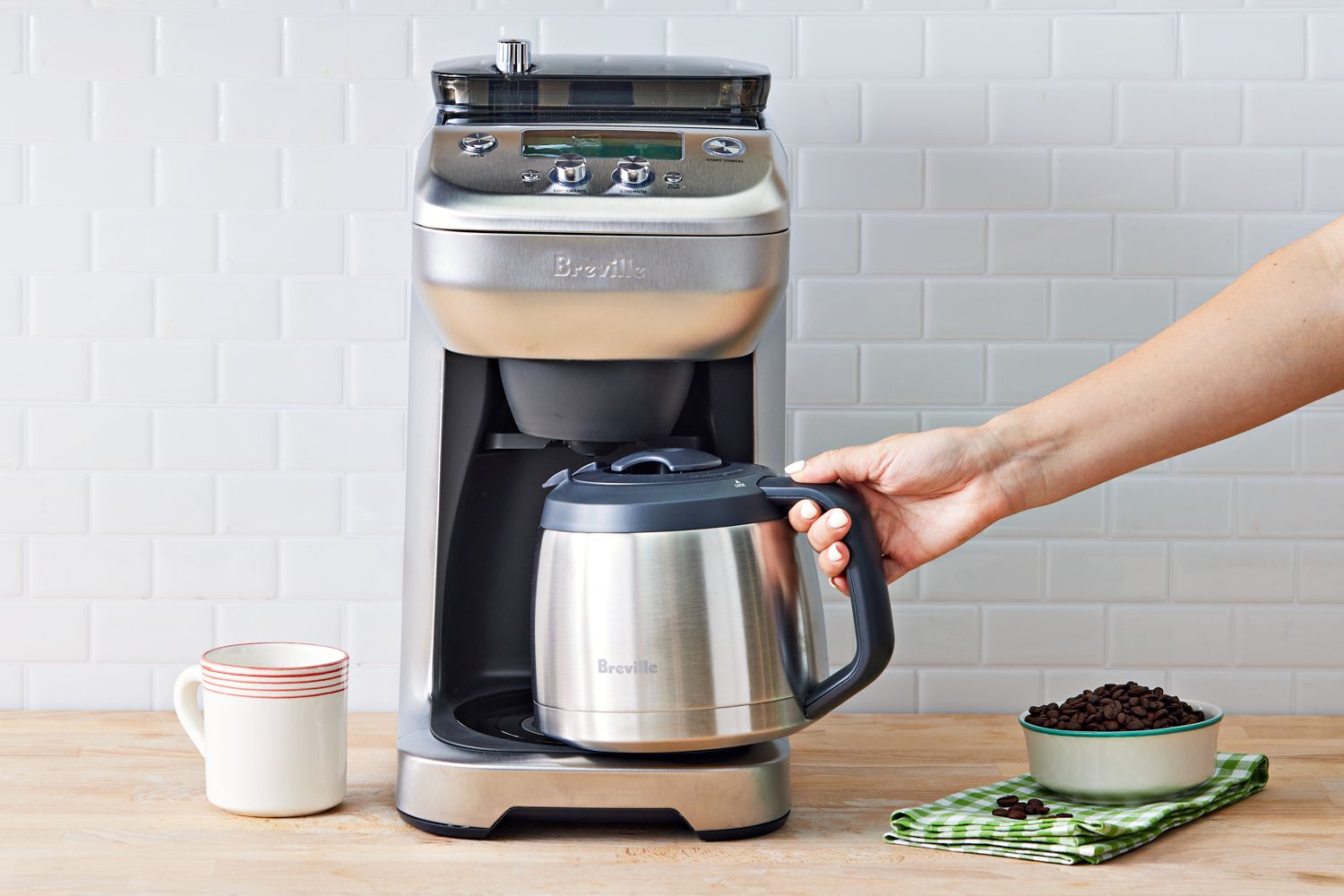
Most home coffee makers, from your trusty Mr. Coffee to a high-end Technivorm, are designed to heat and process one thing and one thing only: water. When you introduce almond milk, which contains fats, proteins, sugars, and thickeners, a few bad things happen:
- It Can Scorch: The heating elements in coffee makers get very hot, very fast. This will burn the sugars and proteins in the almond milk, creating a horrible, scorched taste and an even worse smell.
- It Will Clog Your Machine: The solids in the milk will cook onto the internal components, creating buildup and clogs that are a nightmare to clean and can permanently damage your machine.
- It Won’t Extract Properly: Coffee extraction is a delicate science based on water temperature and chemistry. Almond milk behaves differently, leading to a weak, underdeveloped, and generally unpleasant-tasting brew.
So, when we talk about how to brew coffee with almond milk, we’re not talking about replacing the water. We’re talking about the art of combining freshly brewed coffee with almond milk for a delicious final result.
The Right Approach: 4 Steps to Perfect Almond Milk Coffee
The secret isn’t in the brewing with, but in the preparation and combination after. Think of it as building a fantastic coffee beverage, where the coffee is your foundation and the almond milk is the luxurious finish.
Step 1: Choose Your Coffee Champion
The coffee you brew is the star of the show. Since almond milk has a distinct, nutty-sweet flavor, you want a coffee that complements it. I find that medium to dark roasts work wonders. Their bold, chocolatey, and nutty notes pair beautifully with almond milk, whereas the delicate, bright acidity of a light roast can sometimes clash or get lost.
Here are the best brewing methods for an almond milk pairing:
- Espresso: The concentrated, intense flavor of an espresso shot is the perfect base for an almond milk latte or cappuccino. It’s strong enough to cut through the creaminess of the milk.
- Cold Brew Concentrate: Cold brew’s low acidity and smooth, chocolatey profile make it an absolute dream partner for almond milk, especially for iced drinks. It’s a match made in heaven.
- French Press or AeroPress: Both methods produce a full-bodied, robust cup that stands up well to the addition of milk.
- Strong Drip Coffee: If you’re using a standard drip machine, just brew your coffee a little stronger than usual. Use a slightly finer grind or add an extra scoop of grounds.
Step 2: Select the Right Almond Milk
This is arguably the most critical step. Walk down the dairy-free aisle and you’ll see a dozen options. They are not all created equal for coffee.
- Unsweetened vs. Sweetened: I almost always recommend unsweetened. This gives you full control over the sweetness of your final drink. Many sweetened versions can be cloying when mixed with coffee.
- Barista Blends are Your Best Friend: If you see “Barista Edition” or “Barista Blend” on the carton, grab it. These are specifically formulated with added fats or plant-based stabilizers (like gellan gum) to prevent curdling and create a beautiful, stable microfoam when steamed. They are a game-changer.
- Check the Ingredients: Avoid almond milks with carrageenan if you can, as it can sometimes contribute to a slimy texture when heated.
Step 3: Heat It, But Don’t Beat It
If you’re making a hot coffee drink, you need to warm your almond milk. But this is where most people go wrong. Heating almond milk too quickly or too hot is a one-way ticket to a separated, curdled mess.
The key is low and slow.
- Pour your desired amount of almond milk into a small saucepan.
- Heat it over low-medium heat, stirring or swirling the pan gently.
- Do not let it boil. You’re aiming for it to be hot to the touch, or about 140-150°F (60-65°C), which is the ideal temperature for lattes. Use a thermometer if you have one!
- If you have a steam wand on your espresso machine, it’s the best tool for the job. Submerge the tip just below the surface to heat and froth the milk simultaneously.
Step 4: The Grand Combination
Now for the final act. To minimize the risk of curdling (which happens when cold milk hits hot, acidic coffee), follow this simple trick.
“The golden rule I teach all my new baristas is to manage the temperature shock. Always warm your almond milk before adding it to hot coffee. Even better, try pouring the hot espresso or coffee into the steamed milk. This gentle introduction helps the two liquids integrate smoothly instead of fighting each other.”
— Isabella Rossi, Head Barista and Coffee Consultant
For the best results:
- For Hot Coffee: Pour your freshly brewed coffee or espresso into a mug. Slowly pour the gently heated almond milk into the coffee, stirring as you go.
- For Iced Coffee: This is much more forgiving! Simply combine your cold brew concentrate or chilled coffee with cold almond milk over ice. Give it a good stir, and you’re good to go.
Troubleshooting: What to Do When Things Go Wrong
Even with the best intentions, you might run into issues. Here’s how to fix the most common problems.
Why Is My Almond Milk Curdling?
Curdling, or splitting, is a chemical reaction. The acidity in coffee causes the proteins in the almond milk to clump together, especially when there’s a drastic temperature difference.
- The Fix:
- Warm the milk first: Never pour cold almond milk into hot coffee.
- Try lower-acidity coffee beans: Look for beans from regions like Brazil or Sumatra.
- Let your coffee cool slightly: Wait 30-60 seconds after brewing before adding your warmed milk.
- Use a Barista Blend: Their stabilizing ingredients are designed to prevent this exact problem.
Why Won’t My Almond Milk Froth?
You’re dreaming of luscious latte art but end up with sad, bubbly foam. This is usually due to low protein content. Almond milk is naturally much lower in protein and fat than dairy milk, which are the two components essential for creating stable foam.
- The Fix:
- Again, use a Barista Blend! I can’t stress this enough. They are specifically engineered to froth.
- Make sure it’s cold: Always start with chilled almond milk straight from the fridge for the best frothing results.
- Use the right tool: A high-powered steam wand is best, but a handheld electric frother can also work wonders. Don’t expect great results from a simple whisk.
Frequently Asked Questions (FAQ)
Q1: Can I put almond milk in my Keurig or Nespresso machine?
No, you should never put almond milk or any other type of milk in the water reservoir of a Keurig, Nespresso, or any pod-based machine. It will damage the machine. Brew the coffee or espresso pod with water as usual, then add your heated or frothed almond milk to the cup.
Q2: What’s the best coffee roast to use with almond milk?
Medium to dark roasts are generally the best choice. Their deep, rich flavors of chocolate, nuts, and caramel pair perfectly with the nutty sweetness of almond milk. Highly acidic light roasts can sometimes taste sour or clash with the milk.
Q3: Can I make cold brew with almond milk instead of water?
This is not recommended. The cold brew process is about slowly extracting coffee solubles into water over many hours. Using almond milk would result in a weak extraction and the milk itself would likely spoil during the long steeping time. Prepare your cold brew concentrate with water first, then mix it with almond milk to serve.
Q4: How do I stop almond milk from separating in iced coffee?
Separation in iced coffee is less common than curdling in hot coffee, but it can happen. This is often due to the brand of almond milk. Using a barista blend or a brand with a good emulsifier (like sunflower lecithin or gellan gum) will help. Also, always give your iced coffee a good stir before you take a sip.
Q5: Is it better to add coffee to almond milk, or almond milk to coffee?
For hot drinks, it’s technically better to add the coffee to the heated almond milk. This allows the milk to gently acclimate to the coffee’s temperature and acidity, reducing the chance of curdling. For iced coffee, the order doesn’t really matter.
Your Perfect Cup Awaits
Mastering how to brew coffee with almond milk is all about shifting your perspective. It’s not a direct substitute for water in the brewing process, but an incredible ingredient to elevate your finished drink. By choosing the right coffee, selecting a quality almond milk, and paying attention to temperature, you can craft creamy, delicious, and dairy-free coffee creations right in your own kitchen. So go ahead, experiment with that dark roast, grab a barista blend, and discover a whole new world of flavor. Your daily coffee ritual is about to get a serious upgrade.