Welcome to Coffee Maker Best! Let’s talk about that beautiful machine sitting on your counter. It promises a perfect cup of coffee, but sometimes, staring at the buttons and baskets can feel a little intimidating. You’re not alone. The journey to a great cup starts with mastering your machine, and that’s exactly why we’re here. Learning how to use a coffee maker step by step is the first, most crucial leap from just drinking coffee to truly experiencing it. Think of me as your personal barista, ready to walk you through everything.
This guide is designed to turn you from a coffee novice into a confident home brewer. We’ll demystify the process, break down the essentials, and share a few secrets that will elevate your daily cup from “good enough” to “absolutely amazing.” Ready to brew? Let’s get started.
Before We Brew: Why a Coffee Maker is Your Best Friend
So, why bother with a machine at all when coffee shops are on every corner? It comes down to three things: control, consistency, and cost. A home coffee maker gives you the power to be your own coffee artist. You choose the beans, you control the strength, and you get to enjoy a consistently great cup every single morning, all for a fraction of the price of a daily cafe run. It’s not just an appliance; it’s an investment in better mornings.
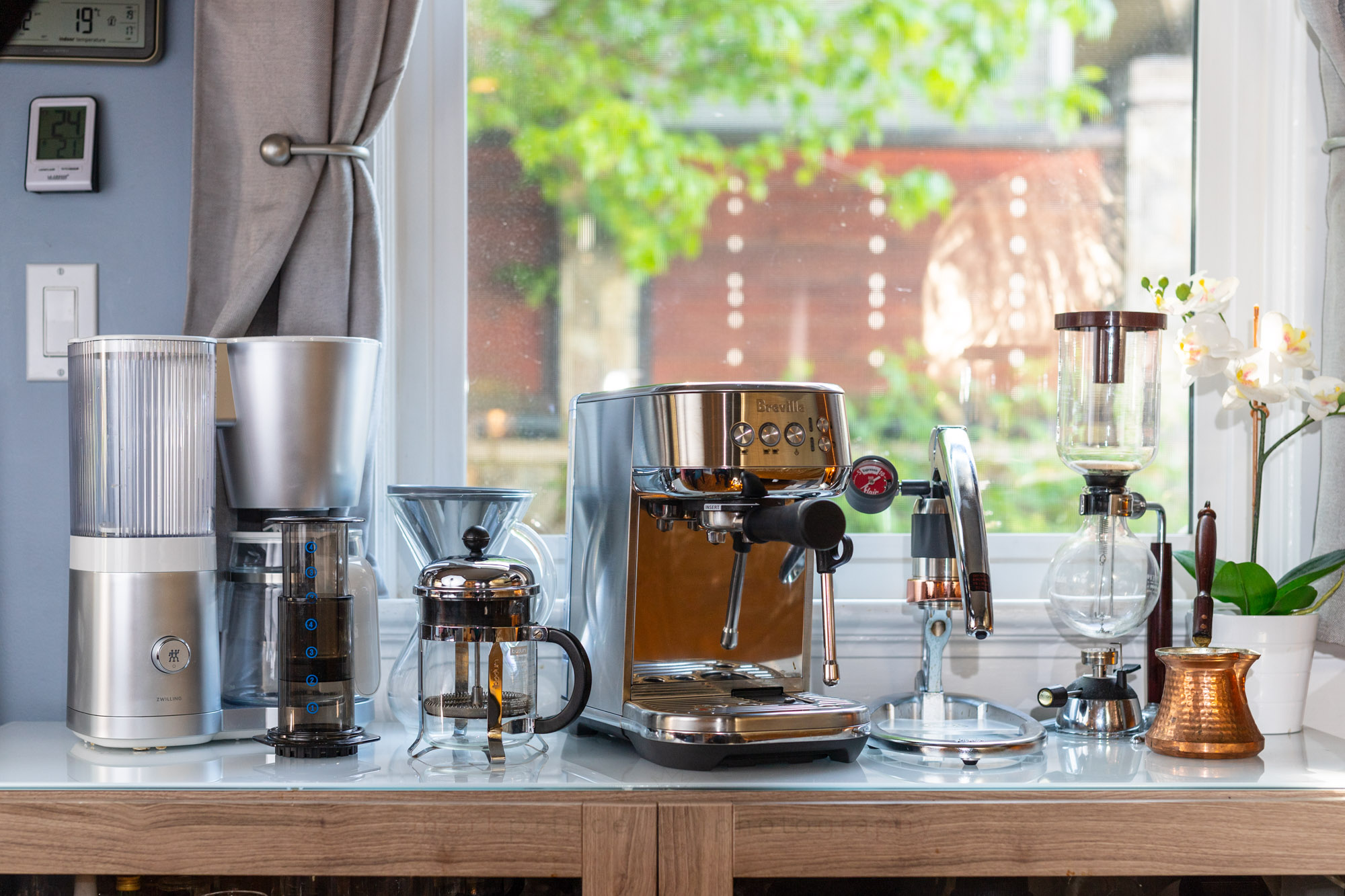
What Kind of Coffee Maker Are You Working With?
The term “coffee maker” is a bit of a catch-all. Your machine likely falls into one of these popular categories. Identifying yours is the first step to brewing success.
The Classic Drip Coffee Maker
This is the workhorse of the American kitchen. It’s simple, reliable, and brews a full pot of coffee by dripping hot water over coffee grounds in a filter. If you have a machine with a glass or thermal carafe, this is probably you.
The Mighty Espresso Machine
For those who love a concentrated, powerful shot of coffee. These machines use high pressure to force hot water through finely-ground, tightly-packed coffee. They can be manual, semi-automatic, or fully automatic.
The Convenient Pod Machine
Think Keurig or Nespresso. These brewers offer incredible speed and convenience by using pre-packaged pods or capsules. They’re perfect for a single, no-fuss cup.
The Timeless French Press
This is a manual method, but it’s a classic for a reason. It involves steeping coffee grounds in hot water and then pressing a plunger to separate the grounds from the liquid, resulting in a full-bodied, rich brew.
For this guide, we’ll focus on the most common type: the drip coffee maker. The principles we cover, however, will help you understand the art of brewing no matter what machine you own.
How to Use a Coffee Maker Step by Step: The Drip Machine Masterclass
Alright, it’s time for the main event. Let’s walk through the process of brewing a fantastic pot of coffee with your drip machine. Don’t just follow the steps; understand why you’re doing them. That’s the secret to consistent results.
- Step 1: The Setup – A Clean Slate
Before you even think about coffee, make sure your machine is clean. A dirty machine will ruin even the best beans. Ensure the carafe is rinsed, and the filter basket is free of old grounds. A clean machine makes clean-tasting coffee. Simple as that. - Step 2: The Water – Your Coffee’s Foundation
Your coffee is about 98% water, so the quality matters. A lot. For the best flavor, use filtered or bottled water. Tap water can contain minerals and chlorine that will make your coffee taste “off.”- Fill the carafe with the amount of cold, fresh water you need for the number of cups you want to brew.
- Pour this water directly into the machine’s water reservoir. Use the carafe to measure; it prevents overfilling and ensures the right coffee-to-water ratio.
- Step 3: The Filter – The Unsung Hero
Place a paper filter into the filter basket. Some machines come with a reusable mesh filter, which is a great, eco-friendly option. If you’re using a paper filter, here’s a pro tip: briefly rinse it with warm water before adding your coffee. This removes any papery taste and helps the water saturate the grounds more evenly. - Step 4: The Coffee – The Star of the Show
This is where the magic happens. The golden rule for coffee strength is one to two tablespoons of ground coffee for every six ounces of water.- Start with two level tablespoons for a standard “cup” marking on your machine (which is usually 5-6 oz).
- You can adjust this later to match your personal taste. Like it stronger? Add a little more coffee. Too intense? Use a little less.
- Add the ground coffee to the filter, making sure it’s distributed evenly.
- Step 5: The Brew – Let the Machine Work its Magic
Place the carafe back on the warming plate, close the lid, and press the “Start” or “Brew” button. Now, sit back and enjoy the incredible aroma that’s about to fill your home. The machine will heat the water to the optimal temperature (around 195-205°F or 90-96°C) and slowly drip it over the grounds, extracting all that delicious flavor. - Step 6: The Pour – Enjoy Your Masterpiece
Once the machine stops gurgling and dripping, your coffee is ready. For the best flavor, don’t let the coffee sit on the hot plate for too long (more than 20-30 minutes), as it can develop a burnt taste. Pour yourself a cup, add your favorite milk or sugar if you like, and savor the results of your work. You’ve just learned how to use a coffee maker step by step!
|
Our Picks for the Best Coffee Maker in 2026
As an Amazon Associate, we earn from qualifying purchases.
|
||
| Num | Product | Action |
|---|---|---|
| 1 | Keurig K-Express Single Serve K-Cup Pod Coffee Maker, 3 Brew Sizes, Strong Button Feature, 42oz Removable Reservoir, Black |

|
| 2 | BLACK+DECKER 12-Cup Coffee Maker with Easy On/Off Switch, Easy Pour, Non-Drip Carafe with Removable Filter Basket, Vortex Technology, Black |
|
| 3 | BLACK+DECKER 12-Cup Coffee Maker with Easy On/Off Switch, Easy Pour, Non-Drip Carafe with Removable Filter Basket, Vortex Technology, Black |
|
| 4 | Mr. Coffee Black Coffee Maker, 12 Cups, with Auto Pause and Glass Carafe, Perfect for Home and Office Use |
|
| 5 | Keurig K-Duo Hot & Iced Single Serve & Carafe Coffee Maker, MultiStream Technology, 72oz Reservoir (Gen 2) |
|
| 6 | Mini Hot and Iced Coffee Maker Single Serve, for K Cup and Ground, 6 to 14 Oz Brew Sizes, with Recipe Book, for Home, Travel, RV, Office and Dorm, Classic Black (2.0 Version) |
|
| 7 | Amazon Basics Coffee Makers, 12-Cup Coffee Machines with Reusable Filter, Coffee Pots, Black & Stainless Steel |
|
| 8 | Nespresso Vertuo Pop+ Coffee and Espresso Maker by De\'Longhi, Samra Origins by The Weeknd Vertuo Buna Yellow Aeroccino3 milk frother |
|
| 9 | BLACK+DECKER 12-Cup Digital Coffee Maker, Programmable, Washable Basket Filter, Sneak-A-Cup, Auto Brew, Water Window, Keep Hot Plate, Black |
|
| 10 | BLACK+DECKER 12-Cup Digital Coffee Maker, Programmable, Washable Basket Filter, Sneak-A-Cup, Auto Brew, Water Window, Keep Hot Plate, Black |
|
How Do You Keep Your Coffee Maker in Top Shape?
A little maintenance goes a long way. Following a simple cleaning routine will extend the life of your machine and ensure every cup tastes fresh.
Your Daily Cleaning Checklist
- Dispose of the used coffee grounds and filter immediately after brewing.
- Wash the carafe and filter basket with warm, soapy water.
- Wipe down the exterior and the warming plate with a damp cloth.
Monthly Deep Cleaning (Descaling)
Over time, mineral deposits from your water (limescale) can build up inside your machine, affecting performance and flavor. Descaling removes this buildup.
“I always tell my clients that descaling their machine is like giving it a spa day,” says Isabella Rossi, a certified Q Grader and coffee consultant. “It’s the single best thing you can do to get consistent temperature and better-tasting coffee over the long term.”
To descale, run a brew cycle with a 50/50 solution of white vinegar and water. Halfway through, turn the machine off and let it sit for 30-60 minutes. Then, complete the cycle. Afterward, run two or three full cycles with plain water to rinse out any remaining vinegar taste.
Ready to Level Up? Tips for a Better Brew
You’ve mastered the basics. Now, let’s explore a few simple tweaks that can dramatically improve your coffee game.
- Buy Fresh, Whole Beans: Pre-ground coffee loses its flavor quickly. Buying whole beans and grinding them right before you brew is the biggest upgrade you can make. Check out our guide to the best coffee grinders to get started.
- Use the Right Grind: For drip coffee makers, you want a medium grind, similar to the consistency of table salt. Too fine, and it can clog the filter and over-extract (tasting bitter). Too coarse, and the water will run through too fast, under-extracting the coffee (tasting weak and sour).
- Store Your Beans Properly: Keep your coffee beans in an airtight, opaque container at room temperature. Avoid the refrigerator or freezer, as moisture can ruin the beans.
- Bloom Your Coffee: If your machine has a “shower head” style water dispenser, you can try this advanced trick. Start the brew cycle, and after about 30 seconds (once the grounds are all wet), pause it. Let the grounds “bloom” for a minute to release CO2, then resume brewing. This leads to a more even extraction and a richer flavor.
Frequently Asked Questions
Q: How much coffee do I use for 12 cups?
A: A standard “cup” on a coffee maker is 5-6 ounces. For a 12-cup pot, a good starting point is 12 to 15 level tablespoons of ground coffee. Adjust from there based on how strong you like it.
Q: Why does my coffee taste bitter?
A: Bitter coffee is usually a sign of over-extraction. This can happen if your coffee grounds are too fine, you used too much coffee, or the coffee sat on the hot plate for too long. Try a slightly coarser grind or using a little less coffee next time.
Q: Can I reuse coffee grounds?
A: You can, but you really shouldn’t. The first brew extracts all the desirable flavors and caffeine. A second brew with the same grounds will result in a weak, watery, and bland cup of coffee.
Q: How often should I descale my coffee maker?
A: It depends on the hardness of your water. As a general rule, descaling every 1-3 months is a good practice. If you notice your machine is brewing slower than usual, it’s definitely time for a deep clean.
Q: What’s the difference between a thermal and a glass carafe?
A: A glass carafe sits on a hot plate to keep the coffee warm, which can sometimes lead to a “stewed” or burnt taste over time. A thermal carafe is insulated like a thermos, keeping coffee hot for hours through heat retention, which better preserves the original flavor.
Your Journey into Better Coffee Begins Now
Congratulations! You now have a complete guide on how to use a coffee maker step by step. It’s not about complex rituals; it’s about understanding a few key principles and applying them with care. Your coffee maker is a powerful tool, and now you know how to wield it.
So go ahead, experiment with different beans, play with your coffee-to-water ratio, and find what makes the perfect cup for you. That’s the true joy of brewing at home. Happy brewing, and don’t forget to explore the rest of Coffee Maker Best for more tips, reviews, and guides to help you on your coffee adventure.