To buy a coffee maker with a grinder, consider your daily coffee ritual, budget, and essential features like a burr grinder. Drip coffee makers with grinders are ideal for full pots of black coffee, while super-automatic espresso machines suit espresso and milk-based drinks. Freshly grinding beans just before brewing significantly enhances flavor and aroma compared to pre-ground coffee.
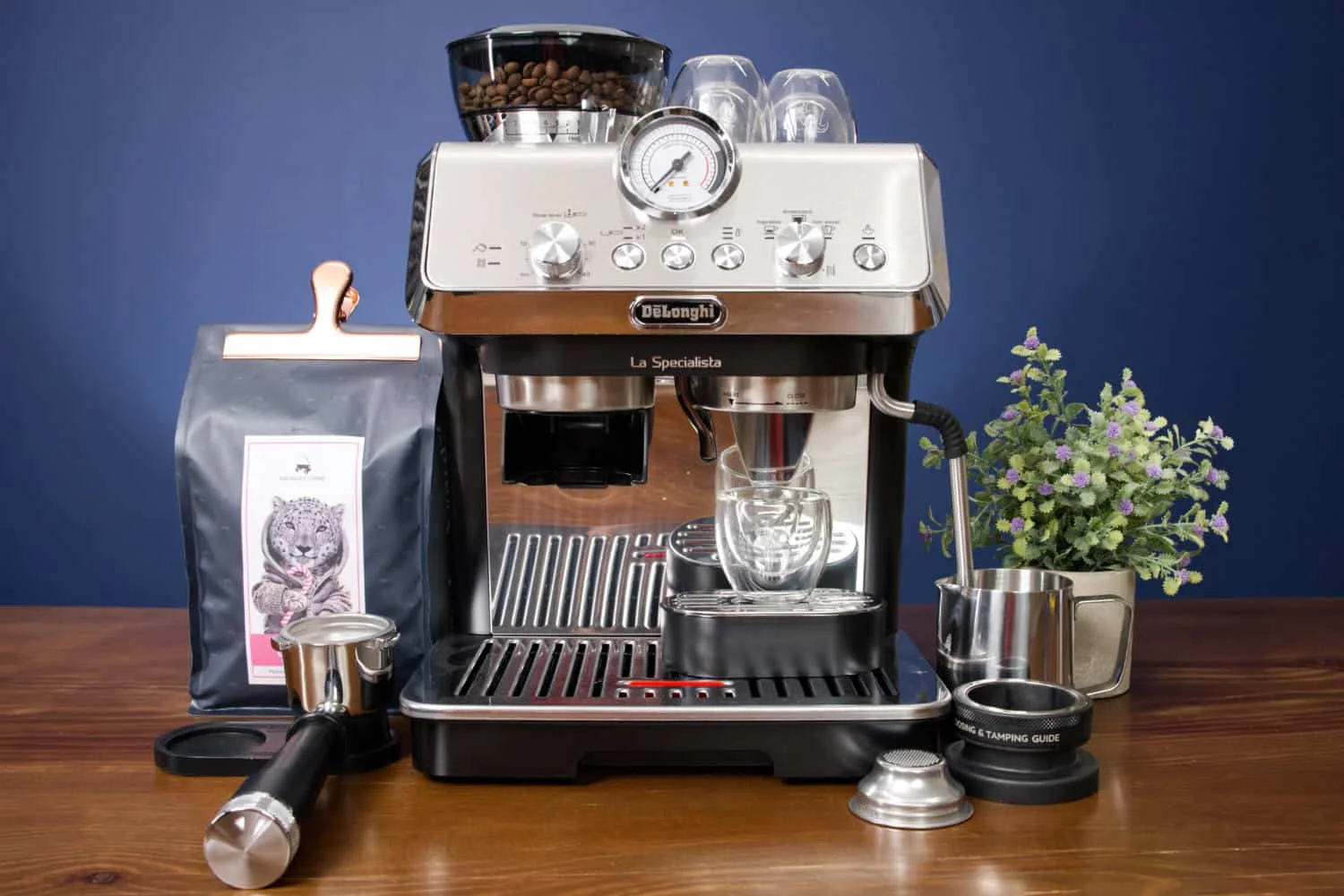
Why a Grind and Brew Machine is a Major Upgrade
Why choose an all-in-one grind and brew machine over separate grinder and brewer units? While separate setups suit some coffee hobbyists, an integrated machine offers unique benefits, primarily freshness and convenience.
The number one reason is freshness. Coffee beans are like small flavor vaults. The moment you grind them, they begin releasing precious oils and aromatics. Pre-ground coffee, even high-quality varieties, loses a significant amount of its character by the time it reaches your kitchen. Grinding beans seconds before brewing is the single most impactful step you can take to improve your home coffee experience. It transforms a muted, one-note tune into a rich blend of flavors.
Beyond flavor, these machines excel in convenience and simplicity. You get one streamlined appliance on your countertop instead of two, saving valuable space. More importantly, the process is seamless. You pour in the beans, add water, and press a button. The machine handles the rest, delivering a perfect, hassle-free cup every time.
As my friend and veteran machine technician, Alex Chen, always says, “The best coffee maker is the one you’ll actually use every day. For most people, the simplicity of a grind-and-brew machine removes the friction between them and a truly great cup of coffee.”
What Are My Options? A Breakdown of Popular Types
When you decide to buy a coffee maker with grinder, you’ll generally encounter two main families of machines. Understanding the difference is key to finding your perfect match.
Drip Coffee Makers with Grinders
This is the classic “grind and brew” you might be picturing. It’s essentially a high-quality drip coffee maker with a burr grinder built right on top.
- Who it’s for: Perfect for families, offices, or anyone who loves to brew a full pot of classic American-style coffee. If you enjoy having coffee ready to pour throughout the morning, this is your workhorse.
- How it works: You add whole beans to the hopper and water to the reservoir. The machine grinds the exact amount of beans needed for the pot size you’ve selected, drops the grounds into the filter basket, and then brews the coffee automatically.
- Key Features: Look for programmable timers (wake up to fresh coffee!), carafe type (thermal carafes keep coffee hot longer without a burner plate), and brew strength controls.
Super-Automatic Espresso Machines
|
Our Picks for the Best Coffee Maker in 2026
As an Amazon Associate, we earn from qualifying purchases.
|
||
| Num | Product | Action |
|---|---|---|
| 1 | Keurig K-Express Single Serve K-Cup Pod Coffee Maker, 3 Brew Sizes, Strong Button Feature, 42oz Removable Reservoir, Black |

|
| 2 | Mr. Coffee Black Coffee Maker, 12 Cups, with Auto Pause and Glass Carafe, Perfect for Home and Office Use |
|
| 3 | BLACK+DECKER 12-Cup Coffee Maker with Easy On/Off Switch, Easy Pour, Non-Drip Carafe with Removable Filter Basket, Vortex Technology, Black |
|
| 4 | Nespresso Vertuo Pop+ Coffee and Espresso Maker by De\'Longhi, Samra Origins by The Weeknd Vertuo Buna Yellow Aeroccino3 milk frother |
|
| 5 | Keurig K-Duo Hot & Iced Single Serve & Carafe Coffee Maker, MultiStream Technology, 72oz Reservoir (Gen 2) |
|
| 6 | BLACK+DECKER 12-Cup Digital Coffee Maker, Programmable, Washable Basket Filter, Sneak-A-Cup, Auto Brew, Water Window, Keep Hot Plate, Black |
|
| 7 | BLACK+DECKER 12-Cup Digital Coffee Maker, Programmable, Washable Basket Filter, Sneak-A-Cup, Auto Brew, Water Window, Keep Hot Plate, Black |
|
| 8 | Amazon Basics Coffee Makers, 12-Cup Coffee Machines with Reusable Filter, Coffee Pots, Black & Stainless Steel |
|
| 9 | Mini Hot and Iced Coffee Maker Single Serve, for K Cup and Ground, 6 to 14 Oz Brew Sizes, with Recipe Book, for Home, Travel, RV, Office and Dorm, Classic Black (2.0 Version) |
|
| 10 | BLACK+DECKER 12-Cup Coffee Maker with Easy On/Off Switch, Easy Pour, Non-Drip Carafe with Removable Filter Basket, Vortex Technology, Black |
|
These are the “bean-to-cup” powerhouses. They take the concept of an integrated grinder and apply it to the world of espresso and specialty coffee drinks.
- Who it’s for: The espresso enthusiast who craves convenience. If your daily ritual involves a latte, cappuccino, or a straight shot of espresso, but you don’t want the learning curve of a semi-automatic machine, this is your dream come true.
- How it works: With the press of a button, the machine grinds the beans, tamps the coffee puck, pulls a perfect shot of espresso, and often, even froths and dispenses milk automatically.
- Key Features: These machines are packed with features like adjustable grind settings, temperature control, built-in milk frothers (some with carafes, others with wands), and one-touch drink recipes.
| Feature | Drip Coffee Maker with Grinder | Super-Automatic Espresso Machine |
|---|---|---|
| Primary Drink | Black Coffee (Full Pot) | Espresso, Latte, Cappuccino |
| Convenience | High (Set it and forget it) | Extremely High (One-touch drinks) |
| Price Range | $100 – $400 | $500 – $3000+ |
| Footprint | Moderate | Moderate to Large |
| Best For | Households, daily coffee drinkers | Espresso lovers, convenience seekers |
How to Buy a Coffee Maker With Grinder: The Perfect Checklist
Ready to narrow it down? Walk through these questions to find the machine that’s built for you.
What’s Your Daily Coffee Ritual?
This is the most important question. Be honest with yourself.
- Do you drink multiple cups of black coffee throughout the morning? A drip coffee maker with a grinder is likely your best bet.
- Is your go-to a single, perfect latte to start the day? A super-automatic espresso machine will bring the cafe experience to your kitchen.
The Grinder Itself: Burr vs. Blade is Non-Negotiable
You’ll see two types of grinders: blade and burr. This is critical.
- Blade Grinders: These use a spinning blade to chop the beans, much like a blender. The result is an inconsistent grind with a mix of boulders and dust, leading to uneven extraction and a bitter or weak cup. Avoid them if you can.
- Burr Grinders: These use two revolving abrasive surfaces (burrs) to crush the beans into a uniform size. This consistency is the secret to a balanced, delicious extraction. All quality machines will have a burr grinder. Make sure the one you choose does, too.
What’s Your Budget?
Your budget will be a major deciding factor.
- $100 – $300: You’ll find excellent drip coffee makers with built-in burr grinders in this range.
- $500 – $1,000: This is the entry-point for quality super-automatic espresso machines. They will deliver fantastic espresso and often have automatic milk frothing.
- $1,000+: In this premium tier, you get more robust build quality (metal vs. plastic), more customization options, dual boilers for faster drink-making, and more sophisticated milk systems.
Key Features to Look For
Once you’ve settled on a type and budget, look for these features to dial in your choice:
- Adjustable Grind Settings: The more settings, the more control you have over your coffee’s flavor.
- Bean Hopper Capacity: A larger hopper means you’ll have to refill it less often. Look for one with a UV-protective lid to keep beans fresh.
- Programmability: An auto-start timer is a fantastic quality-of-life feature.
- Milk Frothing: For espresso machines, do you want a hands-off automatic carafe system or a manual steam wand for more control over your latte art?
- Ease of Cleaning: Look for removable brew groups (in espresso machines), cleaning cycles, and dishwasher-safe parts. This will save you a huge headache down the line.
Keeping Your Machine Happy: Use and Maintenance Secrets
Your new machine is an investment, and a little TLC will ensure it makes delicious coffee for years.
- Read the Manual: Every machine is different. A quick read-through will save you from making a costly mistake.
- Clean the Grinder: Coffee oils can build up in the grinder, affecting flavor. Run grinder cleaning tablets (like Urnex Grindz) through it every month or so.
- Descale Regularly: Mineral buildup from water is the number one enemy of coffee makers. Use a descaling solution (not just vinegar, which can damage some parts) every 1-3 months, depending on your water hardness. Your machine will likely have a light to remind you.
- Daily Rinsing: For espresso machines, rinse the milk frother immediately after each use. For drip machines, wash the carafe and filter basket daily.
Pro Tips for Better Coffee From Your New Machine
You’ve got the hardware; now let’s perfect the software.
- Buy Great Beans: Your machine is only as good as the beans you put in it. Find a local roaster or a quality online subscription service. Look for a “roasted on” date and use the beans within a few weeks of that date.
- Use Filtered Water: Your coffee is over 98% water. If your tap water tastes bad, your coffee will too. A simple carbon filter pitcher can make a world of difference.
- Don’t Be Afraid to Experiment: That “grind size” setting isn’t just for show. If your coffee tastes too bitter, try a slightly coarser grind. If it’s weak or sour, go a bit finer. This is how you “dial in” the perfect cup for your specific beans.
Frequently Asked Questions
Q: Is it better to buy a coffee maker with a grinder or separate units?A: It depends on your priorities. A combination unit offers unmatched convenience and saves counter space. Separate high-end units can offer more precise control for dedicated hobbyists, but for most people, the quality and simplicity of a modern grind-and-brew machine are ideal.
Q: How often should I clean the grinder in my coffee maker?A: A deep clean with grinder-specific cleaning tablets is recommended every 1-2 months to remove built-up coffee oils and stale grounds. For daily maintenance, you can use a small brush to clear out any visible grounds from the chute.
Q: What is the real difference between a burr and blade grinder?A: A burr grinder crushes beans between two revolving surfaces to a uniform size, which is essential for a balanced coffee extraction. A blade grinder violently chops beans into inconsistent sizes, leading to a mix of over-extracted (bitter) and under-extracted (sour) flavors in your cup.
Q: Can I use oily, dark roast beans in my super-automatic machine?A: It’s generally not recommended. Very oily beans can clog the internal mechanics and grinder of a super-automatic machine over time. Stick to medium or medium-dark roasts to ensure the longevity of your machine.
Q: How long do coffee makers with built-in grinders last?A: With proper care and regular maintenance like descaling and cleaning, a quality grind-and-brew machine can easily last 5 to 10 years. The build quality and materials of more expensive models often contribute to a longer lifespan.
Your Coffee Journey Awaits
Choosing to buy a coffee maker with grinder is about more than just convenience; it’s about taking control of your coffee ritual and unlocking a world of flavor you can’t get from pre-ground beans. By understanding your own habits and focusing on the key features that matter—like a quality burr grinder—you can confidently find a machine that will become the best part of your morning. Now go forth, explore, and enjoy the incredible coffee that awaits.
Frequently Asked Questions
Is it better to buy a coffee maker with a grinder or separate units?
A combination unit offers unmatched convenience and saves counter space, making it ideal for most users. Separate high-end units can provide more precise control for dedicated coffee hobbyists, but modern grind-and-brew machines offer excellent quality and simplicity.
How often should I clean the grinder in my coffee maker?
A deep clean with grinder-specific cleaning tablets is recommended every 1-2 months to remove built-up coffee oils and stale grounds. For daily maintenance, use a small brush to clear any visible grounds from the chute.
What is the real difference between a burr and blade grinder?
A burr grinder crushes beans between two revolving surfaces to a uniform size, which is essential for balanced coffee extraction. In contrast, a blade grinder violently chops beans into inconsistent sizes, leading to a mix of over-extracted (bitter) and under-extracted (sour) flavors in your cup.
Can I use oily, dark roast beans in my super-automatic machine?
It is generally not recommended to use very oily, dark roast beans in super-automatic machines. Oily beans can clog the internal mechanics and grinder over time, potentially damaging the machine. Stick to medium or medium-dark roasts to ensure the longevity of your appliance.
How long do coffee makers with built-in grinders typically last?
With proper care and regular maintenance, including descaling and cleaning, a quality grind-and-brew machine can easily last 5 to 10 years. More expensive models often feature superior build quality and materials, contributing to an even longer lifespan.
How to Choose a Coffee Maker with Grinder
Follow these steps to select the perfect coffee maker with a built-in grinder for your home or office, considering your daily habits, budget, and essential features.
Determine if you prefer multiple cups of black coffee (drip coffee maker with grinder) or single-serve espresso and milk-based drinks (super-automatic espresso machine). This initial decision will narrow down your options significantly.
Always choose a machine with a burr grinder over a blade grinder. Burr grinders produce a consistent, uniform grind essential for balanced coffee extraction, while blade grinders create an inconsistent mix that leads to poor flavor.
Allocate a budget range: $100-$300 for quality drip coffee makers with grinders, $500-$1,000 for entry-level super-automatic espresso machines, and $1,000+ for premium espresso machines with advanced features and durability.
Look for adjustable grind settings, adequate bean hopper capacity with a UV-protective lid, programmability (like auto-start timers), and appropriate milk frothing options (automatic carafe or manual wand) for espresso machines. Also, consider ease of cleaning with removable parts and cleaning cycles.
Get our weekly buyer guide
Practical specs, not advice. Unsubscribe anytime.
My old separate grinder and brewer setup was taking up too much counter space. Switching to an all-in-one grind and brew machine has been a game changer for convenience. The coffee tastes amazing, and I love not having to deal with two different appliances every morning. Definitely a major upgrade!
I finally took the plunge and bought a coffee maker with a grinder, and wow, what a difference! The freshness from grinding beans right before brewing is just incredible. My morning cup has never tasted this good. It’s so convenient to have it all in one machine.
I got a drip coffee maker with a grinder, and while the coffee tastes great, cleaning the grinder part is a bit of a hassle. It’s not terrible, but I wish it was a little easier to access and wipe down. Still, the flavor improvement is noticeable, especially compared to my old pre-ground routine.
I was hesitant about spending more on a super-automatic espresso machine, but it’s been worth it. Being able to get fresh espresso and milk-based drinks with just a touch of a button is fantastic. The burr grinder really makes a difference in the quality of the shot. My only minor gripe is the initial setup took a little longer than expected.