It’s a scene we all dread: you walk into the kitchen, dreaming of that first glorious cup of coffee, only to find a sad puddle of water pooling on your countertop. A leaking coffee maker is more than just a mess; it’s a barrier between you and your morning ritual. If you’re wondering how to fix a coffee maker leaking water, don’t panic. I’m here to walk you through it. Think of me as your personal coffee machine whisperer. More often than not, the fix is simpler than you think, and you can get back to brewing in no time.Let’s roll up our sleeves and solve this soggy situation together. We’ll diagnose the problem, explore the common culprits, and give your trusty machine the tune-up it deserves.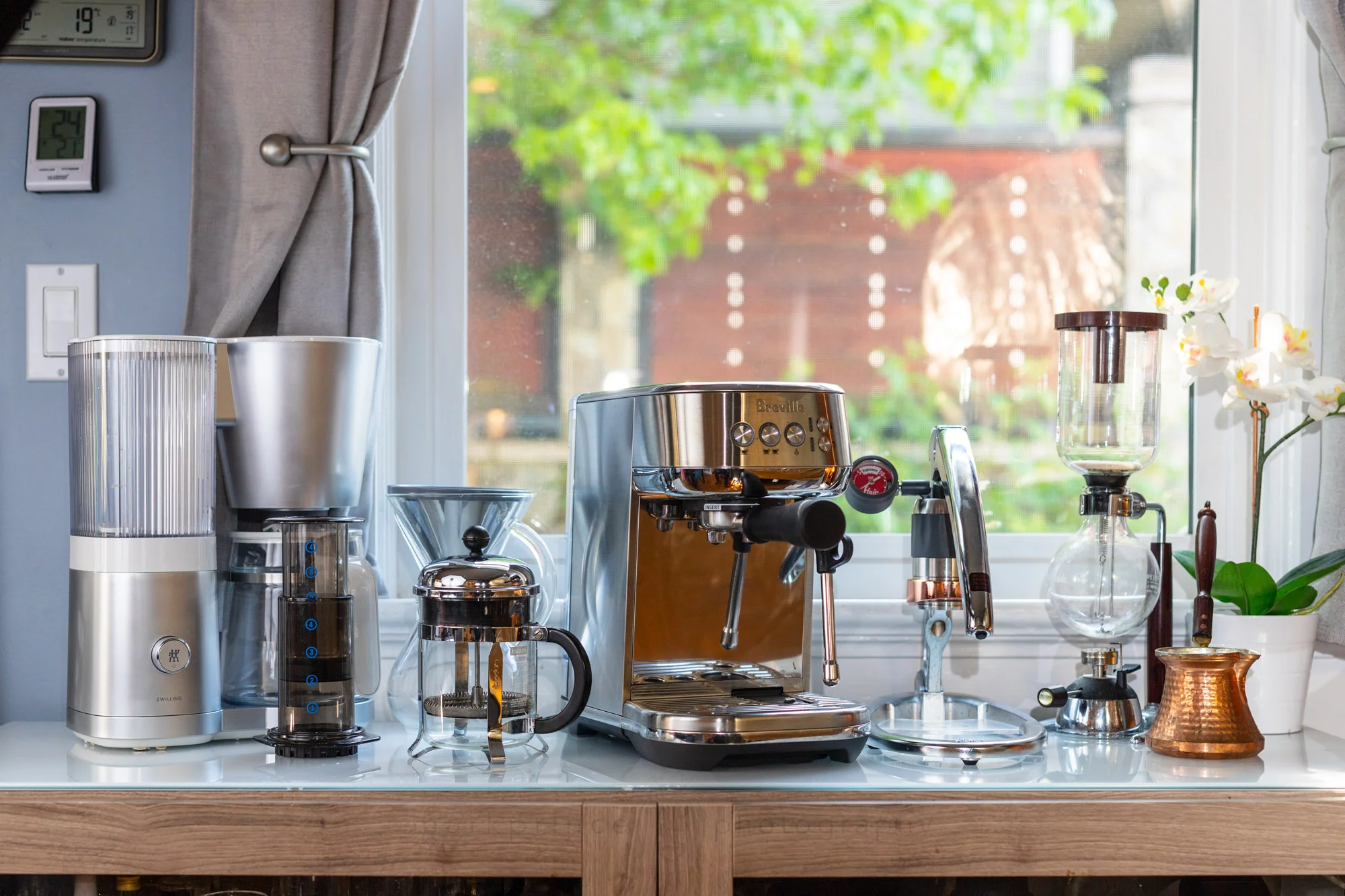
First Things First: Why Is Your Coffee Maker Leaking?
Before we start unscrewing things, it helps to understand why your machine is suddenly redecorating your kitchen with water. A coffee maker is a relatively simple system of tubes, heaters, and valves. A leak is just a sign that something along that path has gone wrong.The most common reasons for a leak are surprisingly mundane:
- Overfilling: The simplest explanation! You might have just put too much water in the reservoir.
- Mineral Buildup: Hard water leaves behind calcium and lime deposits, which can clog the internal tubing and force water to find another way out. This is the number one enemy of coffee makers everywhere.
- A Cracked Component: The reservoir or the carafe might have a hairline crack you haven’t noticed.
- Worn-Out Seals and Hoses: Over time, the rubber and plastic components that keep water contained can degrade, become brittle, or get dislodged.
- Clogged Brew Basket: If grounds or debris are blocking the drip-stop valve, the water can back up and overflow.
The good news? Most of these issues can be fixed at home with a little patience. For explore our coffee makers reviews on this site.
A Quick Word of Caution: Before you begin any inspection or repair, always unplug your coffee maker from the wall. Water and electricity are a dangerous combination. Safety first, coffee second.
Pinpointing the Leak: A Step-by-Step Diagnostic
To figure out how to fix a coffee maker leaking water, we need to play detective. The location of the puddle is our biggest clue. Let’s trace the water back to its source.
Case 1: Leaking from the Base
This is the most common and often the most alarming leak, but it’s usually the easiest to fix. If water is pooling under the entire unit, it’s likely coming from one of two places.
- Check the Reservoir: Carefully remove the water tank. Is it wet on the outside? Check for any visible cracks, especially around the base and the valve that connects to the machine.
- Inspect the Connection Point: Look at the spot where the reservoir connects to the coffee maker. There’s often a small valve or seal here. Is it clean? Sometimes a stray coffee ground can prevent it from sealing properly.
- The Culprit is Often Clogging: Most often, a leak from the base means there’s an internal clog. When the water can’t follow its intended path through the heating element and up to the brew basket, pressure builds and it escapes through the weakest point—usually a hose connection at the bottom. The solution? A thorough descaling. We’ll cover that in a bit.
Case 2: Water Leaking from the Brew Basket
|
Our Picks for the Best Coffee Maker in 2026
As an Amazon Associate, we earn from qualifying purchases.
|
||
| Num | Product | Action |
|---|---|---|
| 1 | Nespresso Vertuo Pop+ Coffee and Espresso Maker by De\'Longhi, Samra Origins by The Weeknd Vertuo Buna Yellow Aeroccino3 milk frother |

|
| 2 | Keurig K-Duo Hot & Iced Single Serve & Carafe Coffee Maker, MultiStream Technology, 72oz Reservoir (Gen 2) |
|
| 3 | BLACK+DECKER 12-Cup Digital Coffee Maker, Programmable, Washable Basket Filter, Sneak-A-Cup, Auto Brew, Water Window, Keep Hot Plate, Black |
|
| 4 | Keurig K-Express Single Serve K-Cup Pod Coffee Maker, 3 Brew Sizes, Strong Button Feature, 42oz Removable Reservoir, Black |
|
| 5 | Mr. Coffee Black Coffee Maker, 12 Cups, with Auto Pause and Glass Carafe, Perfect for Home and Office Use |
|
| 6 | BLACK+DECKER 12-Cup Digital Coffee Maker, Programmable, Washable Basket Filter, Sneak-A-Cup, Auto Brew, Water Window, Keep Hot Plate, Black |
|
| 7 | BLACK+DECKER 12-Cup Coffee Maker with Easy On/Off Switch, Easy Pour, Non-Drip Carafe with Removable Filter Basket, Vortex Technology, Black |
|
| 8 | Mini Hot and Iced Coffee Maker Single Serve, for K Cup and Ground, 6 to 14 Oz Brew Sizes, with Recipe Book, for Home, Travel, RV, Office and Dorm, Classic Black (2.0 Version) |
|
| 9 | BLACK+DECKER 12-Cup Coffee Maker with Easy On/Off Switch, Easy Pour, Non-Drip Carafe with Removable Filter Basket, Vortex Technology, Black |
|
| 10 | Amazon Basics Coffee Makers, 12-Cup Coffee Machines with Reusable Filter, Coffee Pots, Black & Stainless Steel |
|
Is the mess concentrated around the top of your carafe and the filter basket area? This points to an overflow problem.
- Examine the Drip-Stop: Most drip coffee makers have a small, spring-loaded valve on the bottom of the brew basket. This is what stops coffee from dripping when you pull the carafe out mid-brew. If this valve gets clogged with old coffee grounds or oily residue, it can get stuck, causing water to back up and spill over the sides of the basket.
- Check Your Filter: Are you using the right size and type of filter? A flimsy filter that collapses during the brew cycle can cause a major overflow. Ensure it’s seated properly before you start.
- Too Much Coffee: It sounds simple, but overfilling the filter with coffee grounds can impede water flow, leading to a backup. Stick to the recommended ratio, typically one to two tablespoons of coffee per six ounces of water.
Case 3: The Reservoir or Water Tank is Leaking
If you can clearly see water seeping from the tank itself, even when it’s not on the machine, the problem is straightforward.You likely have a hairline crack. Run your fingers along the entire surface, especially the seams and bottom. Sometimes these are very hard to see. A simple way to test is to fill the tank with water, dry the outside completely, and place it on a paper towel for 10-15 minutes. If the paper towel gets wet, you’ve found your culprit. Unfortunately, the only real fix for a cracked reservoir is to order a replacement part from the manufacturer.
How to Fix a Coffee Maker Leaking Water: The Internal Fixes
If you’ve checked all the basics and the leak persists, it’s time to look inside. Again, make sure the machine is unplugged and has cooled down completely.This process generally involves removing the base plate of your coffee maker, which is usually held on by a few screws.
- Check the Hoses: Once you have the base off, you’ll see a network of silicone or rubber tubes. These carry water from the reservoir to the heater and up to the showerhead.
- Look for any tubes that have become disconnected or have visible cracks.
- Gently squeeze them. If they feel hard and brittle instead of flexible, they may need to be replaced.
- Inspect the Clamps: The hoses are connected to various points with small metal clamps. Check to ensure these are tight and haven’t slipped out of position. Sometimes, simply repositioning and tightening a clamp is all it takes.
- The Power of Descaling: If you see white, chalky residue anywhere, that’s mineral buildup. This is your sign to perform a deep clean. A descaling solution (or a 50/50 mix of white vinegar and water) run through a brew cycle can dissolve the clogs that are causing the pressure backup and the leak. For a stubborn leak, you might need to do this two or three times.
According to Maria Valdez, a certified appliance repair technician with over 15 years of experience, “Nine out of ten leaking drip coffee makers I see are caused by mineral buildup. People underestimate how critical regular descaling is. It’s like changing the oil in your car—it prevents a small issue from becoming a catastrophic failure.”
Prevention Is the Best Medicine: Keeping Your Machine Leak-Free
Once you’ve fixed the leak, you’ll want to make sure it doesn’t come back. A little routine maintenance goes a long way.
- Descale Regularly: This is the big one. If you have hard water, descale your machine once a month. For soft water, every two to three months is fine.
- Use Filtered Water: Using filtered water will drastically reduce mineral buildup, extending the life of your machine and making your coffee taste better. A win-win.
- Clean Components After Each Use: Rinse the carafe, brew basket, and reservoir daily. Don’t let old coffee oils and grounds build up.
- Handle with Care: Be gentle when removing and replacing the water tank and carafe to avoid accidental cracks.
Know When to Fold ‘Em: Is It Time for a New Coffee Maker?
Sometimes, a leak is a sign that your trusted machine is ready for retirement. If you find a cracked internal component that can’t be replaced, or if the cost of replacement parts (like a new reservoir or a specific hose) is more than half the price of a new machine, it may be time to say goodbye.While it’s always great to repair rather than replace, a modern, efficient coffee maker can be a worthwhile investment in your daily happiness.
Frequently Asked Questions (FAQ)
Q: Why is my Keurig coffee maker leaking water from the bottom?A: For Keurig machines, a leak from the bottom is often due to a clog in the exit needle or internal lines. Mineral buildup can prevent water from dispensing properly, forcing it out the bottom. Running several descaling cycles is the first and most effective step to fix this.Q: Can I fix a cracked water reservoir on my coffee maker?A: It is not recommended to repair a cracked reservoir with glue. Most adhesives are not food-safe and may not hold up to temperature changes. The safest and most effective solution is to order a replacement reservoir directly from the manufacturer.Q: How do I know if my coffee maker’s hose is bad?A: A bad hose will often feel brittle, hard, or look discolored. You might also see small cracks or splits in the rubber, especially near the connection points. If you gently squeeze the hose and it doesn’t feel pliable, it’s likely time for a replacement.Q: What’s the best way to descale a coffee maker to prevent leaks?A: The best way is to use a commercial descaling solution designed for coffee makers. Alternatively, a solution of 50% white vinegar and 50% water works well. Fill the reservoir, run a half-brew cycle, then turn it off for an hour to let the solution sit and dissolve buildup. Finish the cycle, then run 2-3 full cycles with fresh water to rinse it thoroughly.Q: My coffee maker is overflowing the brew basket. What’s wrong?A: An overflowing brew basket is almost always caused by a blockage. Check that the drip-stop valve at the bottom of the basket is clean and moves freely. Also, ensure you are using the correct filter size and not overfilling the basket with coffee grounds, as both can impede water flow.
Your Morning Ritual, Restored
Learning how to fix a coffee maker leaking water is an empowering skill for any coffee lover. It saves you money and reduces waste, but most importantly, it puts you back in control of your morning brew. By understanding the simple mechanics of your machine and giving it a little regular care, you can ensure it serves you delicious, leak-free coffee for years to come. Now, go enjoy that well-deserved cup. You’ve earned it.
Frequently Asked Questions
Why is my Keurig coffee maker leaking water from the bottom?
For Keurig machines, a leak from the bottom is often due to a clog in the exit needle or internal lines. Mineral buildup can prevent water from dispensing properly, forcing it out the bottom. Running several descaling cycles is the first and most effective step to fix this.
Can I fix a cracked water reservoir on my coffee maker?
It is not recommended to repair a cracked reservoir with glue. Most adhesives are not food-safe and may not hold up to temperature changes. The safest and most effective solution is to order a replacement reservoir directly from the manufacturer.
How do I know if my coffee maker's hose is bad?
A bad hose will often feel brittle, hard, or look discolored. You might also see small cracks or splits in the rubber, especially near the connection points. If you gently squeeze the hose and it doesn't feel pliable, it's likely time for a replacement.
What's the best way to descale a coffee maker to prevent leaks?
The best way is to use a commercial descaling solution designed for coffee makers. Alternatively, a solution of 50% white vinegar and 50% water works well. Fill the reservoir, run a half-brew cycle, then turn it off for an hour to let the solution sit and dissolve buildup. Finish the cycle, then run 2-3 full cycles with fresh water to rinse it thoroughly.
My coffee maker is overflowing the brew basket. What's wrong?
An overflowing brew basket is almost always caused by a blockage. Check that the drip-stop valve at the bottom of the basket is clean and moves freely. Also, ensure you are using the correct filter size and not overfilling the basket with coffee grounds, as both can impede water flow.
How to Fix a Leaking Coffee Maker
Fixing a leaking coffee maker involves diagnosing the source of the leak and performing simple repairs or maintenance, such as descaling or checking components.
Identify where the water is pooling: from the base, the brew basket, or the reservoir itself. This will help narrow down the potential causes, such as clogs or cracks.
Inspect the water reservoir for cracks, ensure the drip-stop valve on the brew basket is clear, and verify you are not overfilling the reservoir or brew basket with water or coffee grounds.
Unplug the machine and remove the base plate. Check internal hoses for cracks or disconnections, and tighten any loose clamps. Most importantly, descale the machine thoroughly with a commercial solution or a 50/50 vinegar-water mix to remove mineral buildup.
To prevent future leaks, descale your coffee maker regularly (monthly for hard water, every 2-3 months for soft water), use filtered water, and clean all removable components after each use.
Get our weekly buyer guide
Practical specs, not advice. Unsubscribe anytime.
The tips for checking the hose connections were helpful, but my particular model seems to have a more internal issue. I tried tightening everything I could reach, and it still has a slow drip. Might need to take it to a professional after all, or just get a new one.
My Keurig started leaking a few weeks ago, and I was ready to toss it. The suggestion to descale and check for mineral buildup really made a difference. It seems like that was the main culprit, and now it’s brewing perfectly without any leaks. Thanks for the detailed steps!
I was so frustrated with my old drip machine constantly leaving puddles. Following the advice here about checking the water reservoir seal was a game-changer. It was a super easy fix, and now my countertop is dry again! So glad I didn’t have to buy a whole new machine.
This saved my morning routine! My Cuisinart was making a huge mess, and I thought it was done for. The part about inspecting the carafe and heating plate for cracks was something I hadn’t even considered. Turns out, a tiny chip in the carafe was the problem. Replaced it, and no more leaks!