We’ve all experienced the frustration of a coffee maker failing on a Monday morning. To avoid this, conducting a mental long-term durability test before purchasing is essential for both your peace of mind and your finances. At Coffee Maker Best, we prioritize machines that deliver hundreds, even thousands, of perfect cups over many years, focusing on what makes a coffee maker a lasting partner rather than a short-term purchase.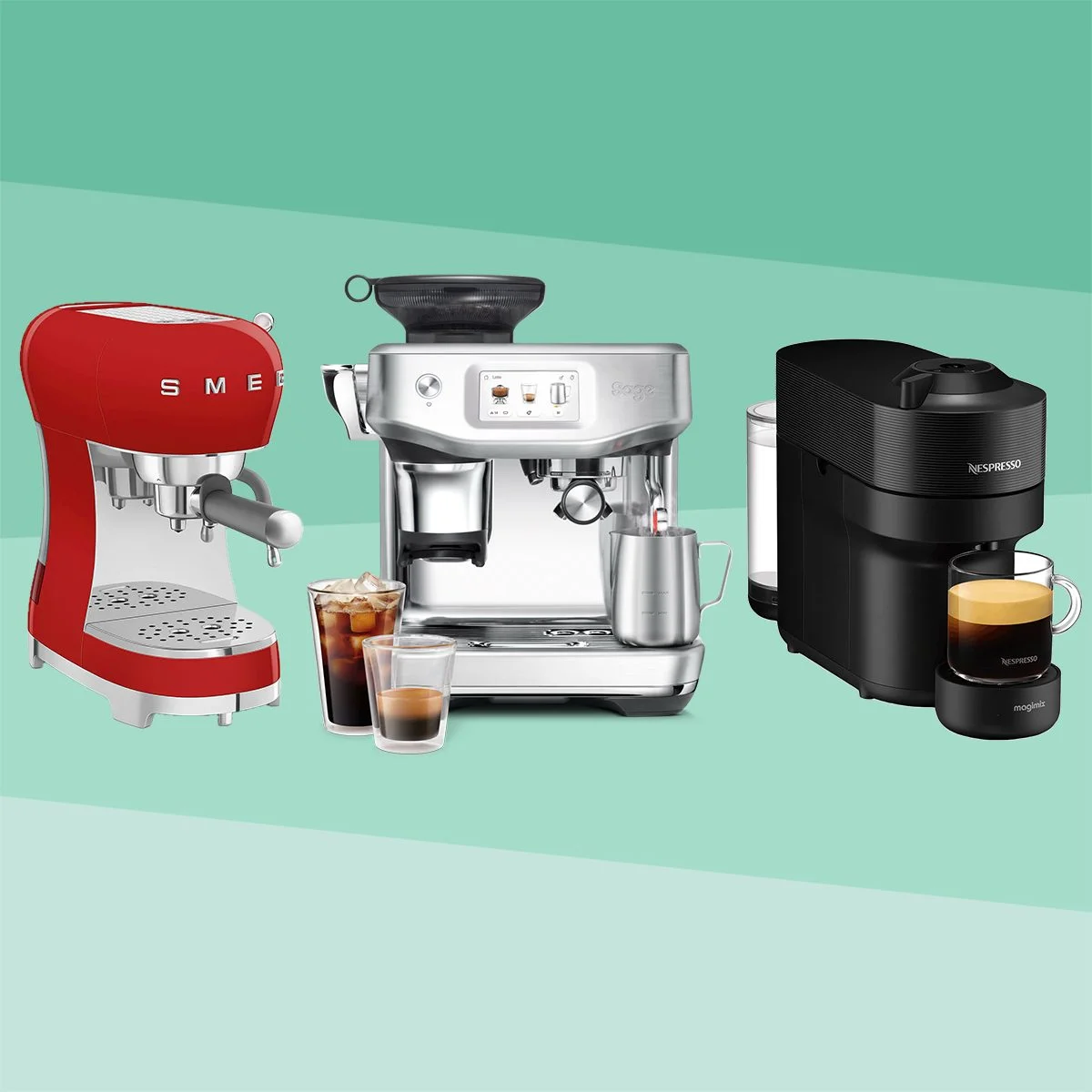
Why a Durable Coffee Maker is Your Best Investment
It’s easy to be tempted by a flashy, feature-packed machine with a low price tag. But more often than not, that’s a one-way ticket to disappointment. Investing in a durable coffee maker pays off in ways you might not expect.
- Consistent, Better-Tasting Coffee: A well-built machine maintains a stable brewing temperature and pressure brew after brew, year after year. Cheap components can degrade, leading to under-extracted, sour, or bitter coffee over time.
- Saves You Money: The math is simple. Buying one $250 machine that lasts a decade is far cheaper than buying a $50 machine every two years. Not to mention the environmental cost of disposable electronics.
- Peace of Mind: There’s a certain comfort in knowing your machine will just work. It becomes a reliable, cherished part of your daily ritual, not a source of morning stress.
What a Real Long Term Durability Test for a Coffee Maker Involves
So, how do you spot a machine that’s built to last? It comes down to looking past the marketing and focusing on the nuts and bolts. We push, we pull, we brew countless pots, and we pay close attention to the details that separate the workhorses from the show ponies.
Material Matters: The Foundation of Longevity
What a machine is made of is the first and most obvious clue to its lifespan.
- Body Construction: Stainless steel is the undisputed champion. It resists rust, doesn’t stain easily, and can handle the occasional bump without cracking. High-quality, thick BPA-free plastic is acceptable, but thin, flimsy plastic is a major red flag. It can become brittle from heat cycles and crack over time.
- Carafe: A thermal stainless steel carafe will almost always outlast a glass one. We’ve all had that heart-stopping moment of a glass carafe slipping in the sink. While a well-made borosilicate glass carafe (like those from Chemex) is strong, stainless steel is simply tougher for a daily driver.
- Internal Components: This is where things get serious. We look for machines with brass or copper heating elements and silicone tubing. These materials handle heat and mineral buildup far better than cheaper aluminum and plastic parts found in budget models.
The Heart of the Machine: Heating Element and Pump
|
Our Picks for the Best Coffee Maker in 2026
As an Amazon Associate, we earn from qualifying purchases.
|
||
| Num | Product | Action |
|---|---|---|
| 1 | BLACK+DECKER 12-Cup Digital Coffee Maker, Programmable, Washable Basket Filter, Sneak-A-Cup, Auto Brew, Water Window, Keep Hot Plate, Black |

|
| 2 | Nespresso Vertuo Pop+ Coffee and Espresso Maker by De\'Longhi, Samra Origins by The Weeknd Vertuo Buna Yellow Aeroccino3 milk frother |
|
| 3 | Mini Hot and Iced Coffee Maker Single Serve, for K Cup and Ground, 6 to 14 Oz Brew Sizes, with Recipe Book, for Home, Travel, RV, Office and Dorm, Classic Black (2.0 Version) |
|
| 4 | Keurig K-Express Single Serve K-Cup Pod Coffee Maker, 3 Brew Sizes, Strong Button Feature, 42oz Removable Reservoir, Black |
|
| 5 | Mr. Coffee Black Coffee Maker, 12 Cups, with Auto Pause and Glass Carafe, Perfect for Home and Office Use |
|
| 6 | BLACK+DECKER 12-Cup Coffee Maker with Easy On/Off Switch, Easy Pour, Non-Drip Carafe with Removable Filter Basket, Vortex Technology, Black |
|
| 7 | Keurig K-Duo Hot & Iced Single Serve & Carafe Coffee Maker, MultiStream Technology, 72oz Reservoir (Gen 2) |
|
| 8 | BLACK+DECKER 12-Cup Digital Coffee Maker, Programmable, Washable Basket Filter, Sneak-A-Cup, Auto Brew, Water Window, Keep Hot Plate, Black |
|
| 9 | Amazon Basics Coffee Makers, 12-Cup Coffee Machines with Reusable Filter, Coffee Pots, Black & Stainless Steel |
|
| 10 | BLACK+DECKER 12-Cup Coffee Maker with Easy On/Off Switch, Easy Pour, Non-Drip Carafe with Removable Filter Basket, Vortex Technology, Black |
|
The parts that do the heavy lifting are critical. A powerful, well-designed heating element gets water to the optimal brewing temperature (195-205°F or 90-96°C) quickly and holds it there. In espresso machines, the pump is just as crucial. A heavy-duty vibratory pump or a commercial-grade rotary pump will provide consistent pressure for years, while cheaper versions will lose power, leading to weak shots.
“I can tell you from 20 years of repairing kitchen appliances, the machines that last are the ones with the simplest, most robust mechanics. A solid copper heating element and simple switches will outlive five touchscreens.” – Maria Velez, Veteran Appliance Repair Technician
Simplicity vs. Complexity: The Tech Trap
This might sound counterintuitive in our tech-obsessed world, but often, the more complicated a machine is, the more things can go wrong. A fancy LCD touchscreen, Wi-Fi connectivity, and 15 different pre-programmed drinks are great… until the screen fails or the software gets buggy. A machine with high-quality manual switches and a simple, effective brewing system often has a much longer operational life. A long term durability test coffee maker champion often has fewer, but better, parts.
Repairability and Parts Availability
Even the most durable machine may eventually need a new gasket or a replacement part. A key part of our durability assessment is checking if the manufacturer makes parts readily available. Brands like Technivorm, Rancilio, and Gaggia are known for this. If you can’t buy a replacement carafe or a new portafilter gasket, the entire machine becomes useless when one small part fails.
Coffee Makers That Aced Our Durability Gauntlet
After testing hundreds of machines, a few stand out as being built for the long haul. They might not be the flashiest, but they are incredibly reliable.
| Machine Type | Key Durability Features | Example Brands/Models |
|---|---|---|
| Drip Coffee | Copper heating element, simple mechanics, handmade quality, 5-year warranty, available parts. | Technivorm Moccamaster |
| Espresso | Commercial-grade components, heavy brass brew group, steel frame, focus on function over features. | Rancilio Silvia, Gaggia Classic Pro |
| Manual | Minimal moving parts, robust materials like 18/10 stainless steel or thick ceramic. | Frieling French Press, Hario V60 |
How to Extend Your Coffee Maker’s Lifespan
Your work isn’t done once you’ve bought a durable machine. Proper care is half the battle. Think of it as protecting your investment.
Your Regular Descaling Ritual
Limescale from water is the number one killer of coffee makers. It clogs lines and makes the heating element work harder until it fails.
- Check Your Manual: Always follow the manufacturer’s instructions first.
- Create the Solution: Mix equal parts white vinegar and water, or use a dedicated descaling solution. Fill the water reservoir with it.
- Run a Half Cycle: Start a brew cycle and let it run until the carafe is about half full.
- Wait: Turn the machine off and let the solution sit in the machine’s internal parts for 30-60 minutes to dissolve mineral buildup.
- Finish the Cycle: Turn the machine back on and let the rest of the descaling solution brew through.
- Rinse Thoroughly: Discard the solution and run 2-3 full cycles with fresh, clean water to rinse out any remaining vinegar or descaler. You don’t want your next coffee tasting like a salad.
Daily and Weekly TLC
- Use Filtered Water: This is the single best thing you can do. It drastically reduces mineral buildup, meaning you’ll have to descale less often and the internal parts will last longer.
- Clean the Carafe and Basket Daily: Don’t let old coffee oils build up. They can turn rancid and will make your coffee taste bad. A quick wash with soap and water is all it takes.
- Wipe Down the Exterior: Keep the outside clean, especially the warming plate if you have one. Spilled coffee can burn onto it and be difficult to remove.
Frequently Asked Questions (FAQ)
Q: What is the average lifespan of a coffee maker?A: A cheap, budget coffee maker might last 2-3 years if you’re lucky. A mid-range machine can last 5-7 years with good care. High-end, durable models like a Technivorm Moccamaster can easily last for 10-15 years or even longer, as they are fully repairable.Q: Are more expensive coffee makers always more durable?A: Not necessarily. Sometimes you’re paying for brand name or features like Bluetooth, not build quality. However, machines known for durability do tend to have a higher upfront cost because they use superior materials like copper, brass, and stainless steel instead of plastic and aluminum.Q: How often should I descale my coffee maker?A: It depends on your water hardness. For very hard water, descale every month. For average or soft water, or if you use filtered water, descaling every 3-6 months is usually sufficient. A good rule of thumb is to descale when you notice the brewing cycle is slower or louder than usual.Q: What is the most important factor in a long term durability test for a coffee maker?A: While materials are key, repairability is arguably the most important factor for true long-term use. The ability to source and replace a simple part like a switch or a gasket is what allows a 10-year-old machine to run like new, turning it from a disposable appliance into a lifetime investment.Q: What’s one quick sign of a non-durable coffee maker in a store?A: The weight and feel. Pick it up. Does it feel flimsy and lightweight? Are the buttons and lid made of thin, creaky plastic? A durable machine typically has some heft to it from a solid frame, a heavier power cord, and higher-quality components. Trust your gut.
Your Partner for the Perfect Brew
Choosing a coffee maker is about more than just your morning caffeine fix. It’s about finding a reliable partner for your daily ritual. By learning how to perform your own mental long term durability test coffee maker assessment, you empower yourself to see beyond the bells and whistles and choose a machine that’s truly built to last. It’s an investment in countless mornings of delicious, hassle-free coffee. Now go on, brew something wonderful.
Frequently Asked Questions
What is the average lifespan of a coffee maker?
A budget coffee maker typically lasts 2-3 years, while a mid-range machine can last 5-7 years with proper care. High-end, durable models like a Technivorm Moccamaster can last 10-15 years or more due to their repairability.
Are more expensive coffee makers always more durable?
Not always; sometimes higher costs reflect brand name or features rather than build quality. However, machines known for durability often have a higher upfront cost because they use superior materials like copper, brass, and stainless steel instead of cheaper plastic and aluminum.
How often should I descale my coffee maker?
Descaling frequency depends on water hardness. For very hard water, descale monthly. For average or soft water, or if using filtered water, every 3-6 months is usually sufficient. Descale when you notice slower or louder brewing cycles.
What is the most important factor for a coffee maker's long-term durability?
While materials are crucial, repairability is arguably the most important factor for true long-term use. The ability to source and replace a simple part, such as a switch or gasket, allows a 10-year-old machine to function like new, making it a lifetime investment.
What's a quick sign of a non-durable coffee maker in a store?
Check the weight and feel. A flimsy, lightweight machine with thin, creaky plastic buttons and lids often indicates lower durability. A durable machine typically has a solid frame, a heavier power cord, and higher-quality components, giving it some heft.
How to Extend Your Coffee Makeru2019s Lifespan
Proper care and maintenance are crucial for extending the life of your coffee maker, protecting your investment and ensuring consistent performance.
Limescale from water is the primary cause of coffee maker failure. Always follow the manufacturer's descaling instructions. Mix equal parts white vinegar and water, or use a dedicated descaling solution, and fill the reservoir.
Run a half brew cycle, then turn off the machine and let the solution sit for 30-60 minutes to dissolve mineral buildup. Finish the cycle, then run 2-3 full cycles with fresh, clean water to thoroughly rinse the machine.
Using filtered water is the single best way to reduce mineral buildup, which means less frequent descaling and longer-lasting internal components. This simple step significantly extends your machine's lifespan.
Prevent old coffee oils from building up and turning rancid by washing the carafe and brew basket with soap and water daily. This ensures your coffee always tastes fresh and prevents residue accumulation.
Keep the exterior of your coffee maker clean, especially the warming plate if applicable. Spilled coffee can burn onto surfaces, becoming difficult to remove and potentially damaging the machine's appearance.
Get our weekly buyer guide
Practical specs, not advice. Unsubscribe anytime.
I appreciate the emphasis on durability, but I found it a bit hard to find specific brand recommendations. While I understand the general advice about avoiding cheap components, it would have been more useful to have a few examples of machines that have actually passed a long-term durability test. My current machine is okay, but I’m always on the lookout for something better that won’t fail on a Monday morning.
I totally agree with the point about investing in a durable machine. My last cheap coffee maker barely lasted a year before it started leaking. I finally splurged on a higher-end model that was mentioned for its stable brewing temperature, and the difference is night and day. It’s been over two years, and it still brews a perfect cup every morning. Definitely worth the extra cost for the peace of mind.
This was a really helpful read! I’ve been burned by flimsy coffee makers in the past, especially ones with too many features that just break down. I’m currently looking for something that can handle hundreds of cups over many years, and the focus on lasting components really resonated with me. I’m going to keep an eye out for brands known for their build quality, not just their low price tag.
My old coffee maker was definitely a short-term purchase, and I regretted it almost immediately. It started having issues with consistent pressure after only a few months. This article really hit home about how a well-built machine maintains stable brewing conditions. I’m now saving up for one of the models known for its robust construction, hoping to avoid that frustration again.