Let’s be real for a moment. You stumbled out of bed, ready for that life-giving first cup of coffee, only to be met with a brew that tastes… off. A little bitter, a little funky, and definitely not the rich, aromatic experience you rely on. Sound familiar? Before you blame the beans, look at your machine. Over time, that trusty brewer becomes a haven for mineral deposits and coffee oils. The good news is, the solution is likely already in your kitchen pantry. Learning How To Clean Coffee Maker With Vinegar is the simplest, cheapest, and most effective way to restore your machine to its former glory and get back to brewing coffee that truly sings.
Why Bother Cleaning Your Coffee Maker in the First Place?
Think of your coffee maker like any other appliance you use daily. You wouldn’t cook in a dirty pan, so why brew in a dirty machine? Here’s the deal: every time you brew, two things get left behind:
- Coffee Oils: These natural oils are what give coffee its amazing aroma and flavor. But when they build up, they turn rancid, creating a bitter, stale taste in every subsequent cup.
- Mineral Deposits: If you use tap water, you’re introducing minerals like calcium and magnesium. Over time, these form a chalky residue called “scale.” This gunk can clog the internal components, slow down your brew time, and prevent the water from reaching the optimal brewing temperature.
A clean machine isn’t just about taste; it’s about performance and longevity. Regular cleaning ensures every cup is as delicious as the first and helps your coffee maker live a long, happy life on your countertop.
The Magic of Vinegar: Your Coffee Maker’s Best Friend
So, why vinegar? Why not just use soap? While soap is great for the carafe and filter basket, it can’t tackle the internal mineral buildup. That’s where white distilled vinegar comes in.
The acetic acid in vinegar is a natural and powerful descaling agent. It works by breaking down and dissolving the stubborn calcium and magnesium deposits that water alone can’t touch. It’s a food-safe, non-toxic, and incredibly affordable solution that gets the job done without harsh chemicals.
Expert Tip: “The most common reason for a coffee maker to underperform or fail is limescale buildup,” notes James O’Connell, a certified appliance technician with over 15 years of experience. “A simple vinegar rinse is the best preventative maintenance you can do. It’s what I recommend to all my clients before they even think about calling for a repair.”
The Ultimate Step-by-Step Guide: How to Clean Coffee Maker with Vinegar
Ready to get that machine sparkling clean? It’s easier than you think. This method works perfectly for most standard automatic drip coffee makers.
What You’ll Need:
- White distilled vinegar
- Fresh, clean water
- Your dirty coffee maker
The Process:
- Empty and Prep the Machine: First things first, make sure the coffee maker is empty. Dump out any old coffee grounds from the filter basket and any leftover coffee from the carafe. Give the carafe and basket a quick rinse with warm water.
- Create the Cleaning Solution: Fill the water reservoir with a solution of half white vinegar and half water. If your machine is especially grimy or you live in an area with very hard water, you can use a slightly stronger ratio, but 50/50 is the perfect starting point.
- Start the Brew Cycle: Place the empty carafe back on the warming plate and run a full brew cycle with the vinegar-water solution. You’ll likely notice a strong vinegar smell—that’s a good sign! It means the acid is working its magic on all that internal gunk.
- Let It Sit: About halfway through the brew cycle, pause the machine. Let the hot vinegar solution sit inside the coffee maker’s internal components for about 30 to 60 minutes. This “soaking” time gives the vinegar a chance to break down the really stubborn mineral deposits.
- Finish the Brew Cycle: After the wait, turn the machine back on and let it finish the brew cycle. Once it’s done, pour the hot vinegar-water solution down the drain. You might be shocked at the murky, discolored liquid you see.
- Run the Rinse Cycles: This is the most important step for getting rid of the vinegar taste and smell. Fill the reservoir with fresh, clean water and run a full brew cycle. Discard the water. Repeat this process at least two more times. I call this the “three-rinse rule.” Smell the inside of the reservoir after the third rinse; if you still detect a hint of vinegar, run one more water-only cycle.
- Clean the Exterior Parts: While the rinse cycles are running, wash the carafe, brew basket, and any other removable parts in warm, soapy water. Dry everything thoroughly before reassembling.
And that’s it! You’ve just successfully descaled your machine. Your next cup of coffee is going to taste noticeably brighter and cleaner.
How Often Should You Decalcify Your Coffee Maker?
This is a common question, and the answer depends on two factors: your usage and your water quality.
- For the average coffee drinker (one pot a day): A good rule of thumb is to descale your machine once every one to three months.
- If you have hard water: You’ll see scale build up much faster. In this case, you should probably clean your coffee maker with vinegar on a monthly basis. Not sure about your water? If you see white, chalky spots on your faucets and glassware, you likely have hard water.
What About Other Types of Coffee Makers?
While the vinegar method is the gold standard for drip machines, it’s not a one-size-fits-all solution. Here’s a quick rundown for other popular brewers.
Cleaning a Keurig or Other Pod Machine
You can absolutely use vinegar to clean a Keurig. The process is very similar: fill the reservoir with a half-vinegar, half-water solution and run several brew cycles (without a K-Cup in place, of course) until the reservoir is empty. Follow up with several fresh water rinse cycles to flush it all out.
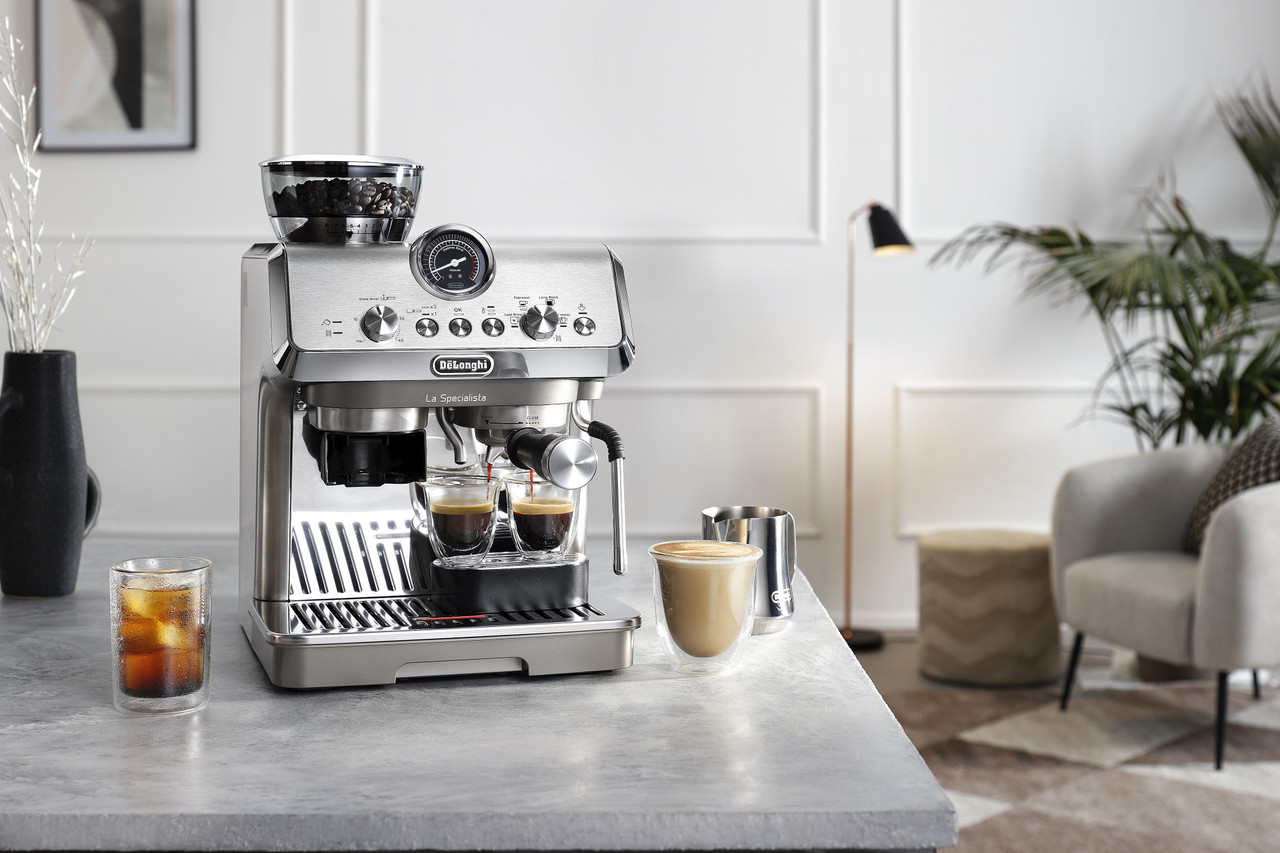
Can You Clean an Espresso Machine with Vinegar?
In a word: no. This is critical. Most espresso machines have internal components made from materials like aluminum or brass, which can be corroded by the strong acid in vinegar. Using vinegar can cause permanent damage. For espresso machines, you must use a dedicated descaling solution specifically designed for them. Check out our guide to [the best espresso machine descalers] for safe and effective options.
French Press and Pour-Over Brewers
For manual brewers like a French press or a Hario V60, a deep clean with vinegar isn’t usually necessary for descaling since the water doesn’t run through complex internal tubing. A thorough wash with hot, soapy water after each use is typically sufficient. However, if you do have some stubborn coffee stains or hard water spots, a quick soak in a diluted vinegar solution can help make them sparkle again.
Frequently Asked Questions (FAQ)
Q: Can I use apple cider vinegar to clean my coffee maker?
A: It’s best to stick with white distilled vinegar. Apple cider vinegar is unfiltered and can contain small particles (the “mother”) that could potentially clog your machine. White vinegar is pure, simple, and effective.
Q: Help! My coffee still tastes like vinegar. What do I do?
A: This just means you need to be more thorough with the rinse cycles. Run at least two or three more full cycles with only fresh water. You can also leave the reservoir lid open for a few hours to help any lingering smell dissipate.
Q: Is vinegar better than a commercial descaling solution?
A: For standard drip coffee makers, vinegar is just as effective and much cheaper. Commercial descalers are often formulated with citric acid, which works similarly. Where commercial descalers are non-negotiable is for delicate machines, like espresso makers, where a specific, less-corrosive formula is required.
Q: What are the signs my coffee maker needs cleaning?
A: The most obvious sign is a change in taste. Other clues include your coffee maker brewing more slowly than usual, making sputtering or gurgling sounds, or not getting as hot as it used to. If you see white, chalky residue in the carafe or reservoir, it’s definitely time for a clean.
Q: Will cleaning with vinegar damage my plastic coffee maker?
A: No, the diluted vinegar solution is perfectly safe for the plastic components found in most modern drip coffee makers. It is not corrosive to these materials and will effectively remove scale without causing any harm.
Your Best Brew Awaits
Taking 30 minutes every month or two to properly care for your coffee machine is one of the best investments you can make in your daily coffee ritual. By understanding how to clean coffee maker with vinegar, you’re not just performing maintenance; you’re taking control of your coffee’s flavor and ensuring every single cup you brew at home is fresh, delicious, and free from any funky, bitter aftertaste. So go ahead, give that workhorse on your counter the spa day it deserves. You—and your taste buds—will be glad you did.