To recycle an old coffee maker, first clean it thoroughly and separate any removable parts like the glass carafe. Then, take it to a local e-waste recycling center, utilize a retailer take-back program (e.g., Best Buy, Staples), or check if the manufacturer offers a mail-in recycling service. These methods ensure proper handling of electronic components and mixed materials, preventing environmental contamination from hazardous substances like lead and mercury found in circuit boards.
Here at Coffee Maker Best, we’re all about the entire lifecycle of your beloved brewing gear, from the first perfect cup to the final, eco-friendly farewell. Think of me as your guide to giving your old machine a dignified send-off. We’ll walk through everything from simple repairs and creative upcycling to the nitty-gritty of proper recycling.
Why Can’t You Just Toss Your Coffee Maker in the Bin?
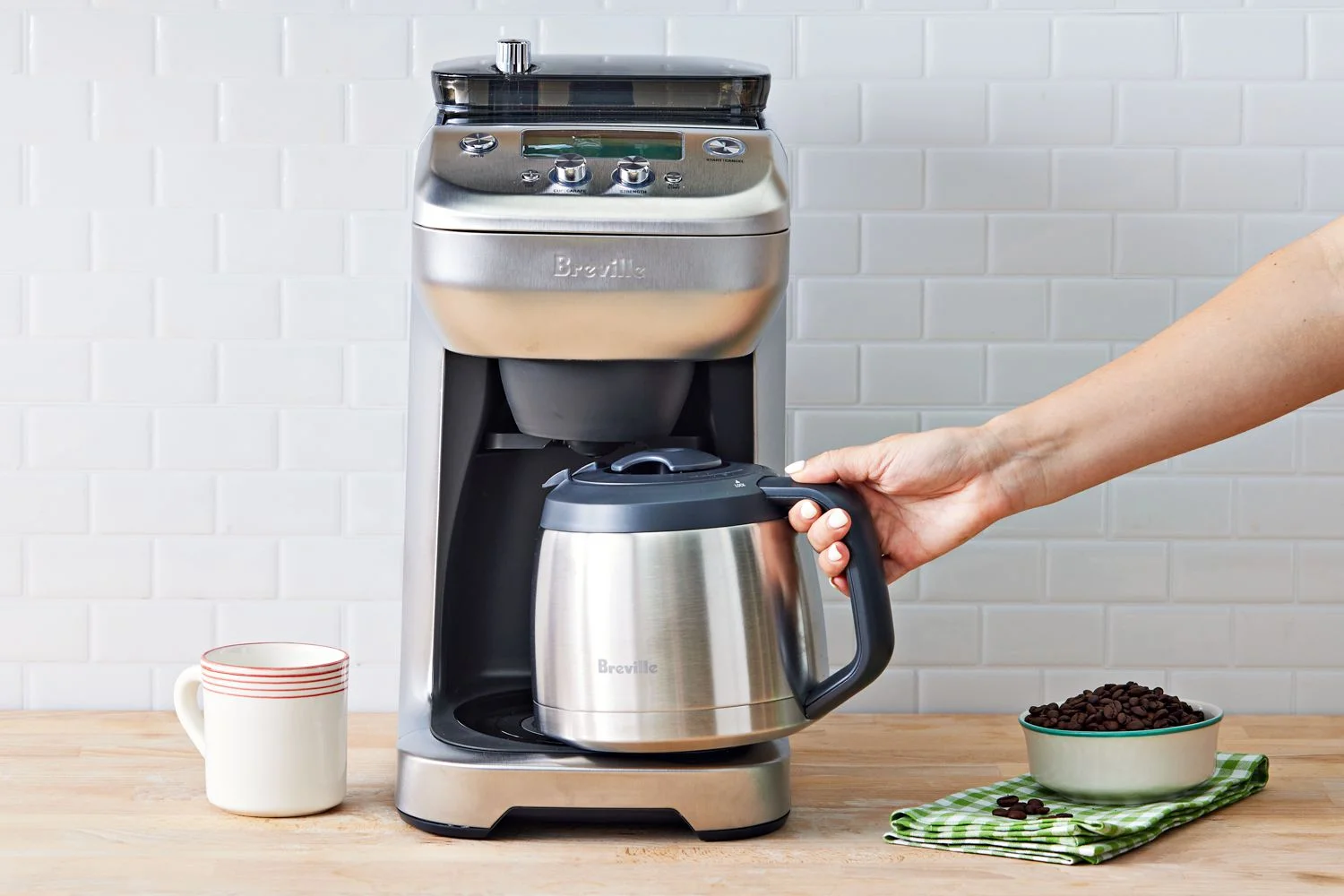
It’s a fair question. Your coffee maker looks like it’s mostly plastic and glass, right? The problem is what’s hidden inside. These appliances are a complex mix of materials that don’t belong in a landfill.
Most coffee makers contain:
- Plastics: The main body is often made of various plastics, some of which may contain chemicals that can leach into the soil.
- Metals: The heating element, wiring, and internal components contain copper, aluminum, and steel. These are valuable resources that can be recovered and reused.
- Glass: The carafe is usually made of borosilicate glass, which is treated to withstand high temperatures and often can’t be recycled with your regular bottles and jars.
- Electronics: Circuit boards and wiring can contain small amounts of hazardous materials like lead and mercury.
Tossing these into the garbage contributes to the growing global e-waste problem. By taking a few extra steps, you ensure these materials are handled correctly, protecting the environment and conserving precious resources.
Before You Recycle: Could Your Coffee Maker Be Saved?
Hold on a second. Before we jump straight to the recycling center, let’s play detective. Sometimes a machine isn’t dead, it’s just… sleeping. A little TLC can often bring it back to life, saving you money and reducing waste.
A Quick Repair Check
Is your machine truly broken, or is it just a simple fix?
- Is it a clog? A common issue with drip machines is a mineral buildup from hard water. A thorough descaling cycle with vinegar or a dedicated solution might be all it needs. You can find our complete guide to
[deep cleaning your machine here]. - Is a part broken? If it’s just a cracked carafe or a broken filter basket, you can often buy a replacement part online for a fraction of the cost of a new machine. Check the manufacturer’s website first.
- Is it a power issue? It sounds silly, but check the cord for damage and make sure the outlet is working. I once spent an hour troubleshooting a “dead” espresso machine only to find the GFI outlet had tripped. Oops.
The Art of Upcycling: Give It a New Life
If your machine is beyond repair but still looks good, why not get creative? Upcycling is a fantastic way to keep items out of the landfill.
- Terrarium or Planter: A glass carafe makes a beautiful, modern home for succulents or a small terrarium. The main body of the machine, once gutted of its electronics, can also be a quirky planter for your kitchen herbs.
- Water Dispenser for Plants: The reservoir and drip system can be repurposed into a slow-drip watering system for your houseplants when you go on vacation.
- Kids’ Play Kitchen: A cleaned-out old coffee maker can be a fun, realistic addition to a child’s play kitchen.
The Ultimate Guide on How to Recycle Old Coffee Maker
Okay, so you’ve determined that your machine has brewed its last cup. It’s time for its final journey. Following these steps ensures you’re doing it the right way.
Step 1: Prepare Your Machine
First, you need to prep the unit.
- Unplug and Cool Down: Make sure the machine is completely unplugged and has had plenty of time to cool off.
- Clean It Out: Give it a good rinse. Remove any old coffee grounds, filters, or water. No one at the recycling center wants to deal with moldy coffee gunk.
- Separate the Parts: If you can, separate the main components. The glass carafe, plastic lid, and filter basket can often be handled differently than the main electronic body.
Step 2: Find the Right Recycling Option for You
This is the most important part. You have several great options for recycling e-waste, and the best one for you might depend on where you live.
- Your Local E-Waste Program: Many municipalities have specific drop-off days or dedicated e-waste recycling centers. A quick search for “[your city] e-waste recycling” or a visit to sites like Earth911.org will give you locations and hours. This is often the best and most reliable option.
- Retailer Take-Back Programs: Did you know many big-box retailers will take your old electronics? Stores like Best Buy and Staples have robust recycling programs and will often accept old coffee makers, regardless of where you bought them. Just bring it to their customer service desk.
- Manufacturer Mail-In Programs: Some brands are stepping up. Companies like Keurig and Nespresso have their own mail-back programs, especially for their pod-based machines. Check their websites to see if they offer a recycling service for your model—they may even provide a shipping label.
“People often forget that small appliances are a significant part of the e-waste stream. Using a certified e-waste recycler ensures that 95-98% of the materials in your old coffee maker can be recovered and put back into the manufacturing cycle.” – Eleanor Vance, Sustainability Consultant.
- Scrap Metal Recyclers: While they might not take the whole machine, some scrap metal recyclers will pay you a small amount for the metal components, like the power cord and internal heating elements, if you’re willing to disassemble the unit yourself.
What If My Coffee Maker Still Works?
If your machine still brews a decent cup but you’ve upgraded, recycling isn’t your only option. The most sustainable choice is to keep it in use!
Donating Your Working Coffee Maker
A perfectly good coffee maker can be a welcome gift for someone else.
- Charity Shops: Places like Goodwill and The Salvation Army will gladly accept working small appliances.
- Local Shelters: A homeless shelter, women’s shelter, or halfway house would likely appreciate a coffee maker for their common areas.
- College Students: Know a student heading off to college? Offer it to them! A free coffee maker is a dorm room dream come true.
Selling or Giving It Away
Platforms like Facebook Marketplace, Craigslist, or the Freecycle Network are fantastic for rehoming your old gear. You might even make a few bucks, or at the very least, make someone’s day.
Choosing the right path for your old machine makes a real difference. Whether you’re repairing, upcycling, donating, or learning how to recycle old coffee maker properly, you’re making a choice that’s better for your wallet and the planet. And that feels almost as good as that first sip of coffee in the morning.
Frequently Asked Questions
How to Recycle Your Old Coffee Maker
Follow these steps to properly recycle your old coffee maker, ensuring environmental protection and resource recovery.
First, unplug the coffee maker and allow it to cool completely. Then, thoroughly clean the machine, removing any old coffee grounds, filters, or water to prevent mold and make it easier for recyclers to process.
If possible, separate the main components of your coffee maker. The glass carafe, plastic lid, and filter basket can often be handled differently than the main electronic body, optimizing the recycling process for each material type.
Locate your municipality's specific drop-off days or dedicated e-waste recycling centers. Websites like Earth911.org can provide locations and hours, offering a reliable option for proper disposal of electronic waste.
Consider taking your old coffee maker to big-box retailers like Best Buy or Staples. Many of these stores have robust recycling programs that accept old electronics, often regardless of where they were originally purchased.
Some brands, such as Keurig and Nespresso, offer their own mail-back programs for their machines, especially pod-based models. Visit their websites to see if they provide a recycling service for your specific model, which may include a shipping label.
Get our weekly buyer guide
Practical specs, not advice. Unsubscribe anytime.
I’ve been wondering what to do with my old Keurig for ages! I didn’t realize Best Buy had a take-back program for electronics. That’s super convenient and makes me feel much better about not just tossing it. Thanks for the detailed info on separating parts too, I always forget about the glass carafe.
The idea of manufacturer mail-in recycling sounds great, but when I checked for my specific brand, it was a bit of a hassle. The shipping costs were almost as much as a new cheap coffee maker. It’s a good option in theory, but not always practical for everyone.
This was so helpful! I had no idea why you couldn’t just throw a coffee maker in the regular trash. Understanding the ‘why’ behind proper disposal makes a big difference. I’m definitely going to look into creative upcycling ideas for my old French press before I consider recycling it.
I appreciate the reminder about hazardous substances like lead and mercury in circuit boards. It’s easy to just think of it as ‘plastic and metal,’ but knowing the environmental impact makes me more committed to finding a proper e-waste center. I’ll be looking up local options this weekend.