Let’s be real for a moment. You stumble out of bed, head to the kitchen, and all you can think about is that first, life-giving cup of coffee. But lately, your trusty machine has been… off. It’s gurgling, sputtering, and taking forever to brew a pot that tastes a little funky. Sound familiar? Before you start shopping for a new brewer, I have good news. The culprit is likely mineral buildup, and learning How To Descale Coffee Maker Naturally is the simple, cheap, and surprisingly satisfying fix you need. It’s a game-changer, and I’m here to walk you through every step.
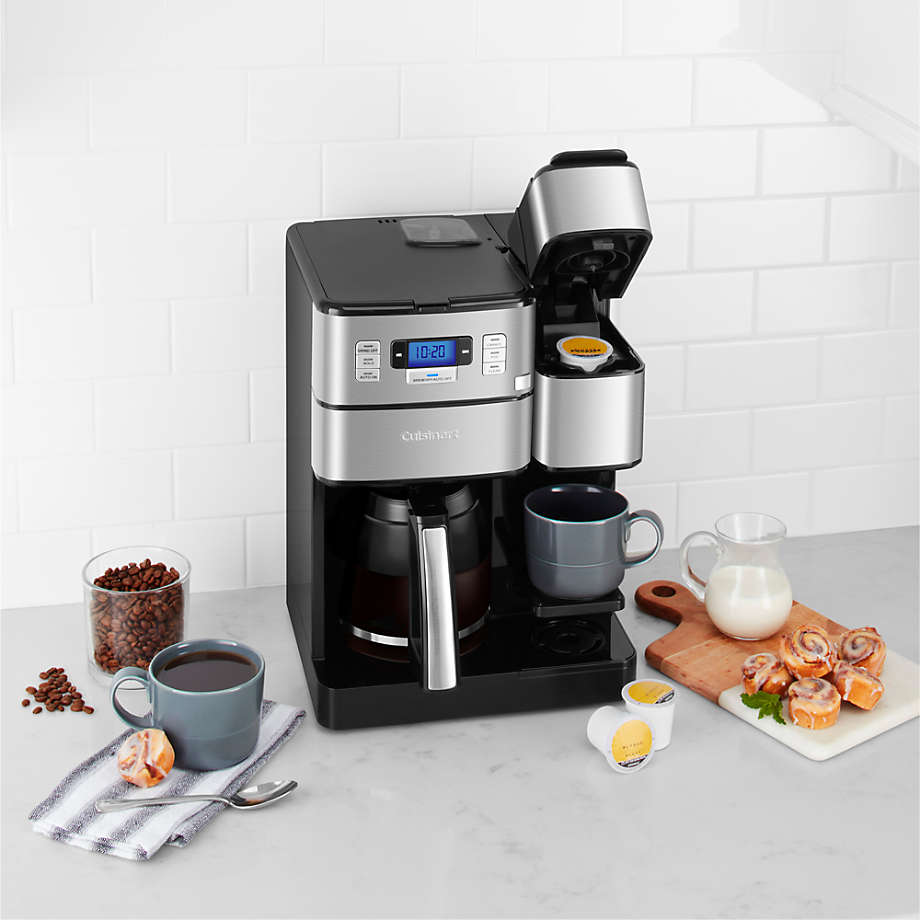
Why Should You Even Bother Descaling Your Coffee Maker?
Okay, so what is this “scale” we’re talking about? It’s not as sinister as it sounds. If you live in an area with hard water—which is most of us—your tap water contains dissolved minerals like calcium and magnesium. Every time you brew a pot, tiny amounts of these minerals get left behind. Over time, they build up inside your coffee maker’s heating element and water lines, forming a chalky, white deposit known as limescale.
Think of it like plaque in an artery. This buildup forces your machine to work harder and less efficiently. The consequences?
- Slower Brew Times: The machine struggles to heat and pump water through the clogged system.
- Colder Coffee: The heating element can’t get the water to the optimal brewing temperature (around 195-205°F or 90-96°C), resulting in under-extracted, weak coffee.
- Weird Taste: Those mineral deposits can impart a bitter or metallic taste to your brew, masking the beautiful notes of your coffee beans.
- Machine Damage: Left unchecked, scale can eventually cause permanent damage to your coffee maker, leading to an early demise.
Descaling is simply the process of removing this mineral buildup, giving your machine a new lease on life and instantly improving the quality of your coffee.
The Best Natural Descalers Hiding in Your Pantry
You don’t need to buy expensive, chemical-laden descaling solutions. The most effective ingredients are likely already sitting in your kitchen cupboard. These natural acids are fantastic at dissolving mineral deposits without being harsh on your machine or the environment.
The Classic Contender: White Vinegar
Distilled white vinegar is the undisputed champion of natural cleaning, and for good reason. The acetic acid it contains is a powerhouse when it comes to breaking down calcium and magnesium deposits.
- Pros: It’s incredibly cheap, widely available, and highly effective.
- Cons: It leaves behind a strong, pungent smell that requires thorough rinsing to eliminate. Nobody wants a Vinaigrette Macchiato.
The Unsung Hero: Citric Acid
If the smell of vinegar makes you wrinkle your nose, citric acid is your best friend. This is a food-grade acid derived from citrus fruits and is often sold in powder form in the canning or baking aisle of the grocery store.
- Pros: It’s just as effective as vinegar but is completely odorless. It rinses away cleanly, leaving no aftertaste.
- Cons: It’s slightly less common to have on hand and might require a special trip to the store.
A Quick Word of Caution: Please, whatever you do, avoid using baking soda for this task. It’s a base, not an acid, and won’t dissolve mineral scale. It can also create a messy, clog-inducing reaction if any acidic residue is left in your machine. Stick to vinegar or citric acid.
How to Descale Coffee Maker Naturally: The Step-by-Step Process
Ready to restore your brewer to its former glory? This process is perfect for standard drip coffee makers. We’ll get to single-serve and espresso machines in a moment.
- Empty and Prep Your Machine: Start by emptying any leftover coffee from the carafe and removing any used grounds from the filter basket. Give the carafe a quick rinse.
- Mix Your Natural Descaling Solution:
- For Vinegar: Create a solution of one part white vinegar to one part water. For a standard 12-cup coffee maker, this usually means about 6 cups of vinegar and 6 cups of water. Pour it directly into the water reservoir.
- For Citric Acid: Dissolve 1 to 2 tablespoons of citric acid powder in a full reservoir of water. Stir until the powder is completely gone.
- Start the Brew Cycle: Place the empty carafe on the hot plate and run a full brew cycle with the cleaning solution. You’re essentially “brewing” a pot of descaler.
- Let It Sit: Once the cycle is complete, turn off the coffee maker and let the hot solution sit in the carafe and inside the machine for about 30-60 minutes. This gives the acid time to work its magic and dissolve any stubborn mineral deposits.
- Run Multiple Rinse Cycles: This is the most crucial step! Discard the cleaning solution from the carafe. Fill the reservoir with fresh, clean water and run a full brew cycle. Repeat this process at least two more times (for a total of three rinse cycles). This ensures that every trace of vinegar or citric acid is flushed out, so it doesn’t taint your next cup of coffee.
As our friend Maria Chen, a seasoned barista with over 15 years of experience, always says, “Don’t skimp on the rinse. You can do a perfect descaling job, but if your coffee tastes like salad dressing, you’ve failed. Rinse, rinse, and then rinse one more time for good luck.”
- Wipe It Down: Give the exterior of your coffee maker and the carafe a final wipe-down. And that’s it! You’ve just learned how to descale coffee maker naturally.
What About Different Types of Coffee Makers?
While the principle is the same, the method can vary slightly depending on your brewer.
Descaling a Keurig or Single-Serve Brewer Naturally
Single-serve machines are notoriously prone to scale buildup. The process is similar, but with a few tweaks.
- Fill the water reservoir with your vinegar or citric acid solution.
- Place a large mug on the drip tray.
- Run brew cycles (without a K-Cup) until the reservoir is empty, discarding the water from the mug each time.
- Let the machine sit for about 30 minutes.
- Thoroughly wash the reservoir, then fill it with fresh water and run at least 10-12 rinse cycles to completely flush the system.
Cleaning Your Espresso Machine
Espresso machines are more complex. While you can use a natural solution to descale the boiler, it’s essential to consult your user manual first. Some manufacturers have very specific instructions, and using the wrong product could void your warranty. Generally, the process involves running the solution through the steam wand and group head, followed by extensive rinsing.
And the Humble French Press?
A French press doesn’t have internal heating elements, so it doesn’t build up limescale. However, coffee oils can build up and turn rancid. For a deep clean, simply disassemble the plunger and soak all parts in a warm water solution with a tablespoon of citric acid or a splash of vinegar for 30 minutes, then scrub and rinse thoroughly.
How Often Should I Descale My Coffee Machine?
The ideal frequency depends entirely on your water hardness.
- For very hard water: Descale every month.
- For moderately hard water: Descale every 2-3 months.
- For soft water: Descaling every 6 months is likely sufficient.
A good rule of thumb? If you notice brewing is taking longer or your coffee isn’t as hot as it used to be, it’s definitely time for a descaling session.
Frequently Asked Questions (FAQ)
Q: Can I use apple cider vinegar to descale my coffee maker?
A: It’s best to stick with distilled white vinegar. Apple cider vinegar is unfiltered and can contain sugars and other particles that may clog or damage your machine.
Q: Will vinegar damage my coffee maker?
A: When diluted correctly (a 1:1 ratio with water), white vinegar is perfectly safe for most standard coffee makers. However, for complex espresso machines, always check the manufacturer’s guidelines.
Q: How do I know if it’s time to descale?
A: Key signs include a slower brew time, coffee that isn’t hot enough, more gurgling or steaming noises than usual, or visible white, chalky residue around the water spout or on the hot plate.
Q: What is the white stuff floating in my coffee maker?
A: That’s limescale! It’s the mineral deposit that has flaked off from the inside of your machine. It’s a sure-fire sign that you are overdue for a descaling.
Q: Can I use lemon juice instead of vinegar or citric acid?
A: Yes, you can use a solution of one part lemon juice to one part water. It’s less acidic, so it’s best for light maintenance rather than a heavy-duty descaling job. Be sure to use strained lemon juice to avoid pulp clogging the machine.
Taking 20 minutes every couple of months to give your coffee maker a little TLC is one of the easiest ways to elevate your daily brew. By understanding how to descale coffee maker naturally, you’re not just performing maintenance; you’re ensuring every cup is as delicious as it should be and extending the life of one of the most important appliances in your kitchen. Now go enjoy that fresh, clean, and fantastic-tasting cup of coffee. You’ve earned it.